
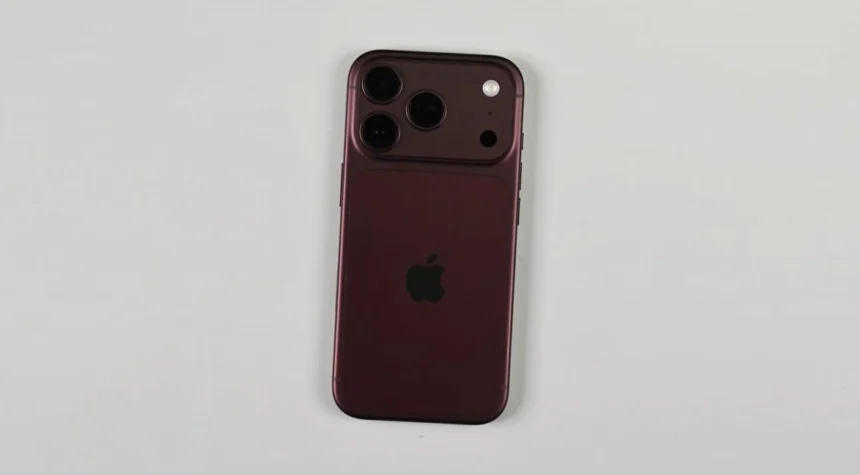
If you have unboxed a new iPhone 18 Pro Max, the battery inside it had been held under 20Wh by Apple’s own firmware all the way from the factory to your door, and that cap only came off at the moment you activated the phone. Apple has laid the whole thing out on a support page for a feature called Prepare to Ship, and it answers a shipping problem that Android brands have been working around with split batteries and smaller European models.
Why A 20Wh Battery Is Hard To Ship
Transport rules in the US, Europe and the international air and road codes put extra packaging, labelling and handling on any device carrying a single battery cell above 20Wh, which on a phone works out to roughly 5,300mAh. Silicon-carbon cells have pushed Chinese flagships well past that figure, so their makers have either split the battery into 2 cells to stay under the line or sold smaller batteries in Europe and the US than the ones they sell at home.
Apple had been staying under it quietly. The iPhone 17 Pro Max eSIM model carried 19.77Wh, which left it only 0.23Wh short of the threshold, and the 18 Pro Max goes over it, so Apple needed a different way to get the phone through customs and cargo holds.
How The Battery Lock Works

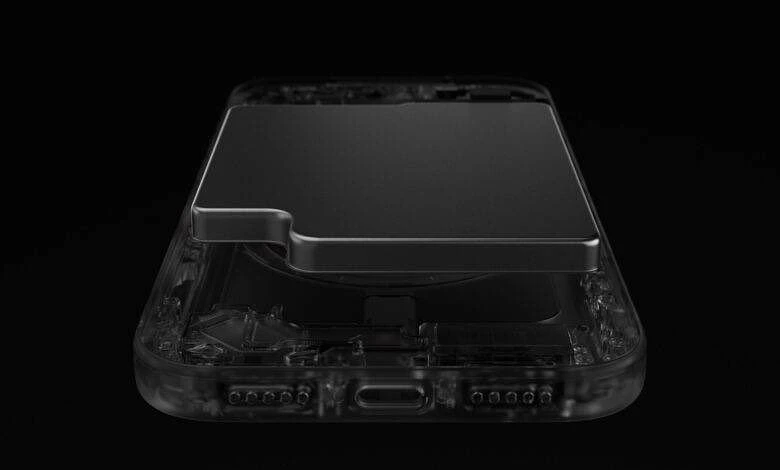
From the day a unit is manufactured until it has finished its trip from the factory, the firmware keeps the charge below 20Wh, which means every boxed phone travels as if it had a smaller battery. Activation removes the cap and the full capacity becomes usable straight away, with nothing for the owner to switch on.
Before You Switch It On
A phone that has never been activated, or never taken out of its box, is already sitting under the limit, so a sealed unit being resold or given as a gift needs no preparation at all. Apple also says the battery is safe for flights and that none of this applies when you are simply traveling with the phone in your pocket.
Sending It Back After Setup
Once the phone has been activated, shipping it again goes through Settings, then General, then Transfer or Reset iPhone, where the Prepare to Ship option drains the battery below 20Wh and sets a charge limit to keep it there. Starting from a full charge, the draining can take up to a couple of hours, though the phone stays usable while it happens.
If you turn it on for a repair, trade-in or return and then change your mind, the charge stays capped at 80% for 14 days before full charging can be switched back on. Turning it on for any other reason, a gift for example, can be undone whenever you like.
How Big The Battery Actually Gets
- The US model, which has dropped the SIM tray, has been rated at 5,567mAh, or 21.75Wh.
- The version sold in Europe keeps a physical SIM slot and comes in at 5,391mAh, or 21.06Wh.
Both are rated capacities. Android brands print the typical capacity on the box, which tends to run higher than the rated figure, so a straight comparison between these numbers and a Chinese phone’s spec sheet would flatter the Android phone.
What It Means For Android Phones
The US transport regulator was reported to have approved the method back in June 2025, and the European phones have been on sale without trouble, which suggests the other regulators are not objecting. A UN sub-committee on dangerous goods has also been looking at whether a single-cell 20Wh line still makes sense when a multi-cell pack above 20Wh gets treated differently, with an update to the rules being discussed for 2029.
Any Android maker that copies this could ship the same large battery to Europe and the US that it sells in China, instead of building a cut-down regional version. For now it only applies to one iPhone, since the smaller iPhone 18 Pro stays under 20Wh and never needs the feature.