
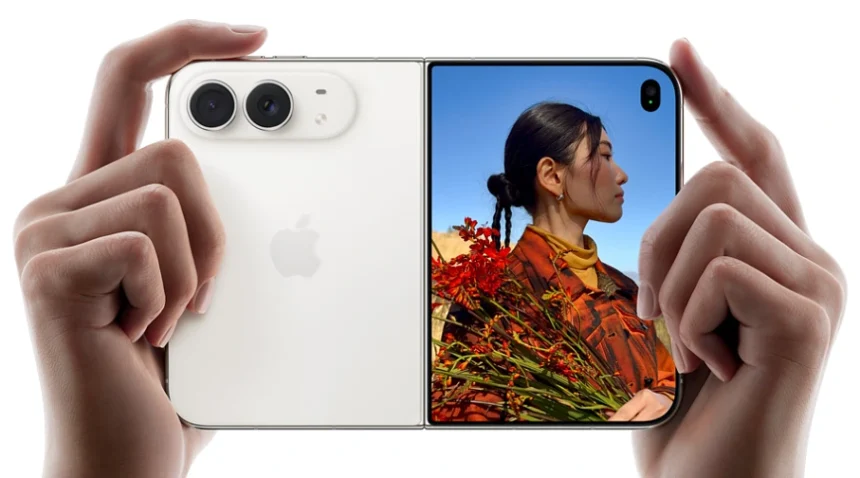
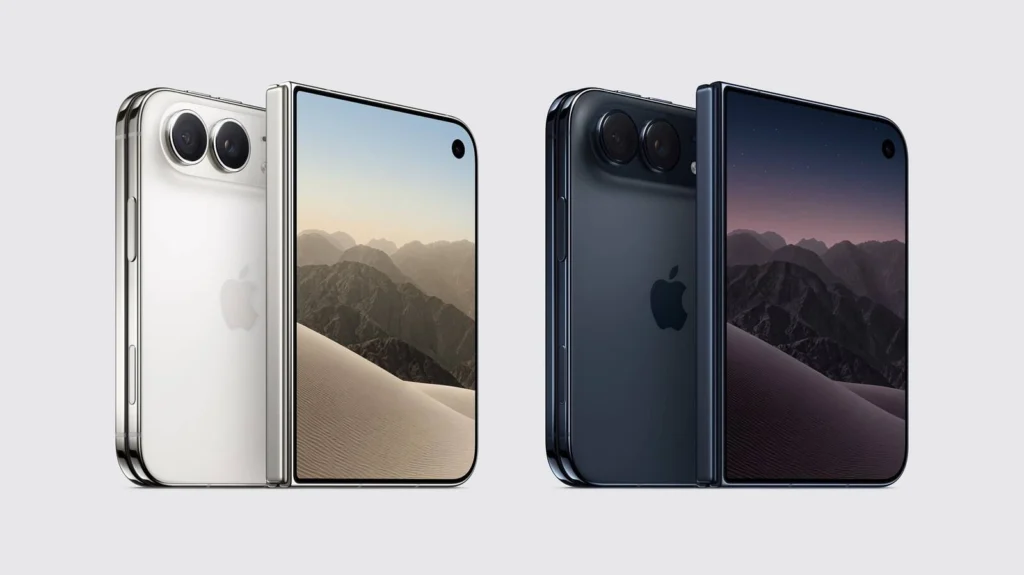
Apple’s first foldable is real, and after 19 years of the same basic iPhone shape, that alone makes it a big deal. But foldables aren’t new to the rest of us. The original Galaxy Fold is seven years old. Every major brand has had a go, some so briefly that people forget Microsoft made a phone called the Duo first.
So the question isn’t whether Apple built a good foldable. It’s whether Apple fixed the things that have kept most people away from foldables for seven years. Mostly, no.
It costs $1,999, nearly double a normal flagship

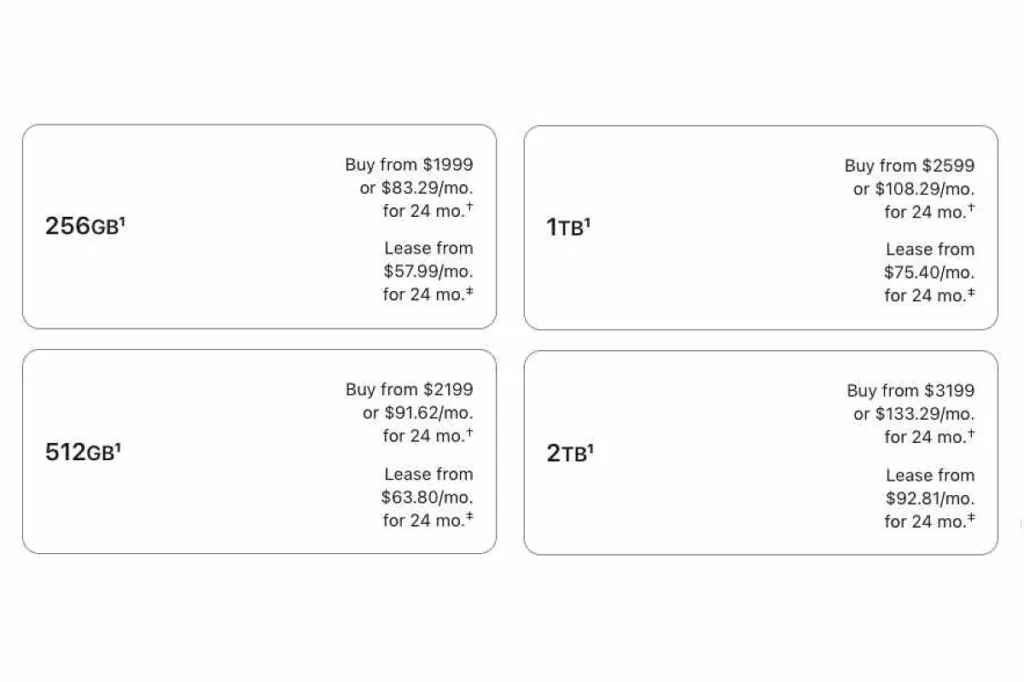
The iPhone Duo starts at $1,999 for 256GB, which is $100 more than the Galaxy Z Fold 8 and $100 less than the Fold 8 Ultra. Apple landed at the bottom of the predicted range, and after the Vision Pro and the iPhone Air, that restraint says something about how far the brand thinks it can push price now. Still two grand for a phone, though. Pre-orders open 16 October, shipping 23 October.
The phone-plus-tablet pitch does not hold up in daily use

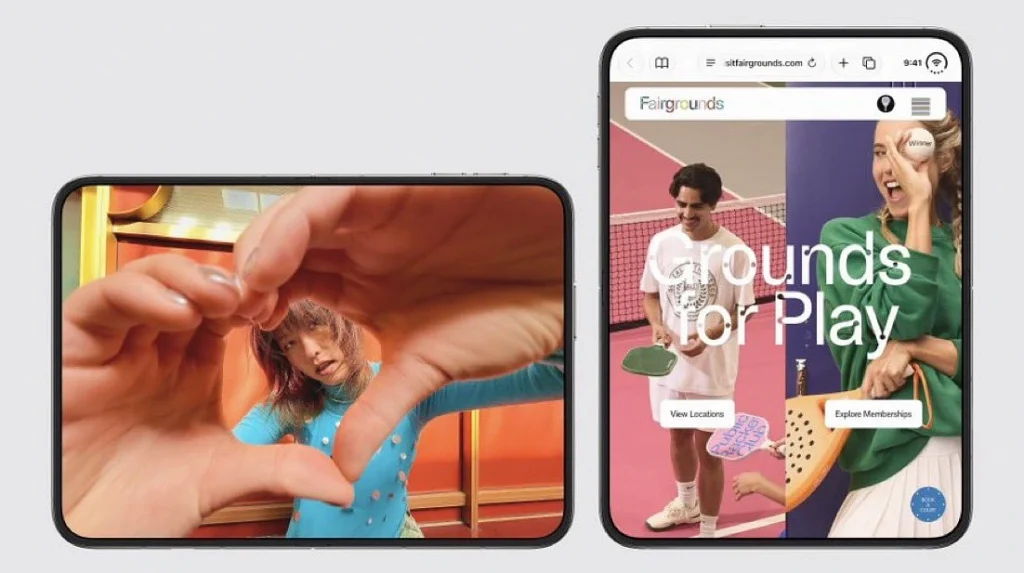
This is the marketing line for every book-style foldable, and it’s the one that disappoints owners most. The 7.6-inch inner screen is not a tablet, it’s a slightly wider phone screen, and watching video on it feels close to watching on the 5.4-inch cover display in landscape. App layouts often don’t use the extra room properly. Battery drains faster on the big panel.
Then there’s the phone half of the deal. Thicker when closed at 11.3mm, heavier at 254g, worse cameras, worse thermals. You’re paying more than a phone and a tablet cost separately to get a compromised version of both.
Two 48MP cameras, no telephoto, on a phone that costs more than the 18 Pro
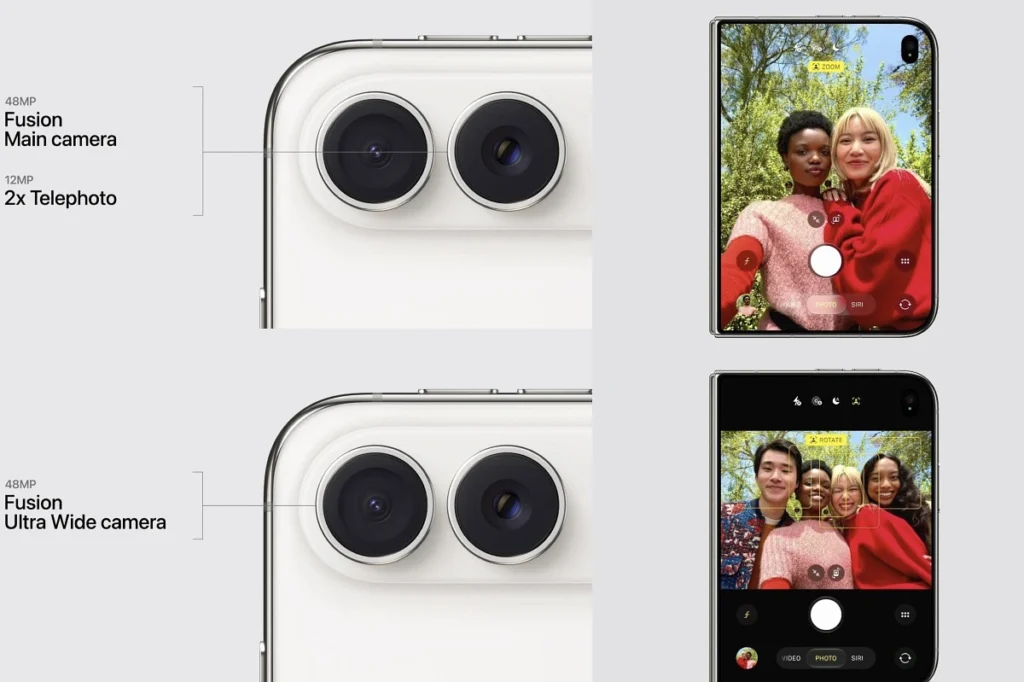
Each half of a foldable has to stay as thin as possible, and cameras are always what gets cut. The Duo has a 48MP main at f/1.6 and a 48MP ultrawide at f/2.2, with a 2x crop standing in for zoom and no dedicated telephoto anywhere. The ultrawide may match the 18 Pro, but the main sensor doesn’t, and that’s a hard sell on the more expensive device.
Battery life drops and charging is slow

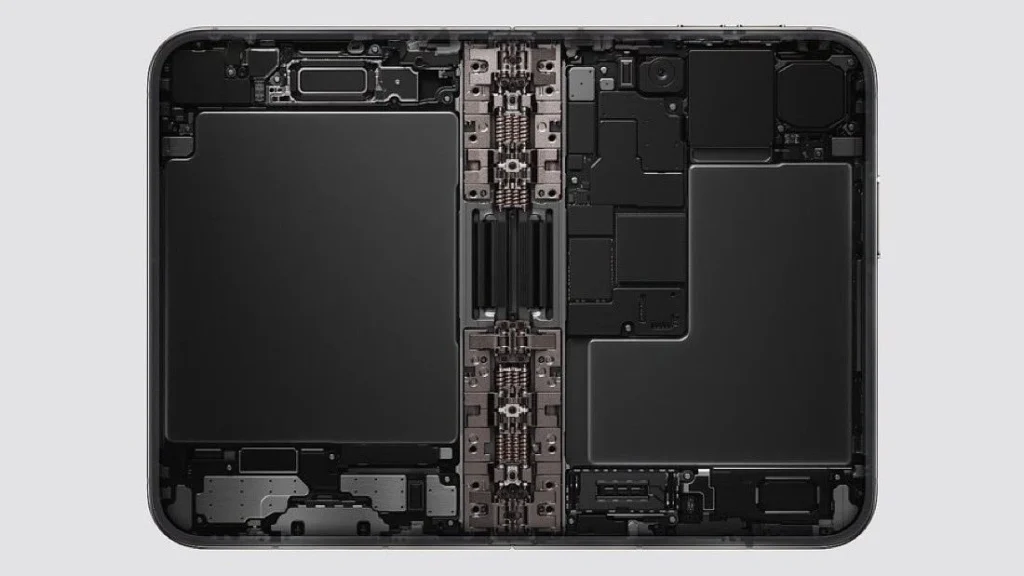
Apple’s own figures put the Duo at up to 44 hours of video on the outer screen but only 31 hours on the inner one, from a 4,883mAh cell split across both halves. Charging is 20W wired, which in 2026 is genuinely poor. The gap shows up in things that have nothing to do with the display too, like call time.
Same chip as the 18 Pro, less room to cool it
Thin halves mean less material to move heat. The A20 Pro throttles sooner and harder in the Duo than it does in a regular iPhone under sustained load, so peak performance doesn’t last as long even though the silicon is identical. Gaming and long video exports are where you’ll feel it.
IP68 is a real win, the hinge still isn’t
Credit where it’s due. The Duo is IP68 rated, meaning proper water and dust protection, while Samsung’s Galaxy Z Fold8 only manages IP48. Google got there first with the Pixel 10 Pro Fold. That said, a hinge built from over 100 components and a soft polymer display layer are still failure points no rating covers, and foldable cases are too limited by the design to protect much.
Touch ID on the side button replaces Face ID entirely
There’s no Face ID on the Duo at all, the components don’t fit, so authentication runs through a Touch ID sensor in the side button. Anyone used to Face ID unlocking without thinking will notice this daily. Side sensors are small, so misreads are common, and left-handed users are stuck reaching across or flipping the phone. Sticking it on the back would solve that, but clean design always wins these arguments. The volume buttons being on the top edge is another odd call.
The crease is the smallest yet and it has not vanished
Apple did better here than anyone expected. The nano-texture finish on the inner display kills glare and reflections, which are what make a crease visible in the first place, so the Duo looks close to flat in most light. Oppo’s Find N6 had the previous best effort. But hands-on videos still show it. If a crease bothers you, this doesn’t fix it.
Now the parts Apple genuinely does better than Android foldables.
App support will be sorted within a year
Seven years in, most Android apps still just stretch to fill a foldable’s inner screen and look worse for it. Apple showed working examples on day one. If there’s one thing the iPhone ecosystem reliably delivers, it’s developers building native layouts fast, and the Duo will have proper big-screen apps long before Android foldables did.
Games move between screens without relaunching
This is the single most annoying thing about Android foldables. On the Duo, games carry straight over from the outer display to the inner one with no restart and no loading screen, and they handle rotation on the fly too.
The half-folded mode is the most developed version of the idea yet
Android hinges have held mid-positions for years without anyone doing much with it. Apple built the half-folded state into the software: apps split across both halves, keyboards divide two different ways depending on orientation, playback and game controls sit on the lower panel, and a nightstand mode with its own widgets works when the phone is stood on its edge.
Speakers adjust to however you are holding it

Stereo is awkward on foldables because left and right keep swapping. Samsung put both Fold8 speakers on one side and wrecked the effect. Apple placed the two speakers diagonally opposite each other and lets software work out your grip, adjusting balance and distance so the stereo image stays right whichever way round it is.