

ZTE snuck the Blade A35e onto Pakistan’s shelves back in 2025—can’t pin the exact day, but it’s floating around stores now. Undercuts pricier siblings like the Nubia A36, which hovers near 20,000 rupees. This model’s stuck at Rs 15,999, no choices beyond that: 2GB RAM paired with 64GB storage you can bump up via microSD if apps and pics pile up. Handles the essentials okay, think calls or quick scrolls, but push it with multiple tabs or games and it’ll stutter hard.
Knockoff Design That Works
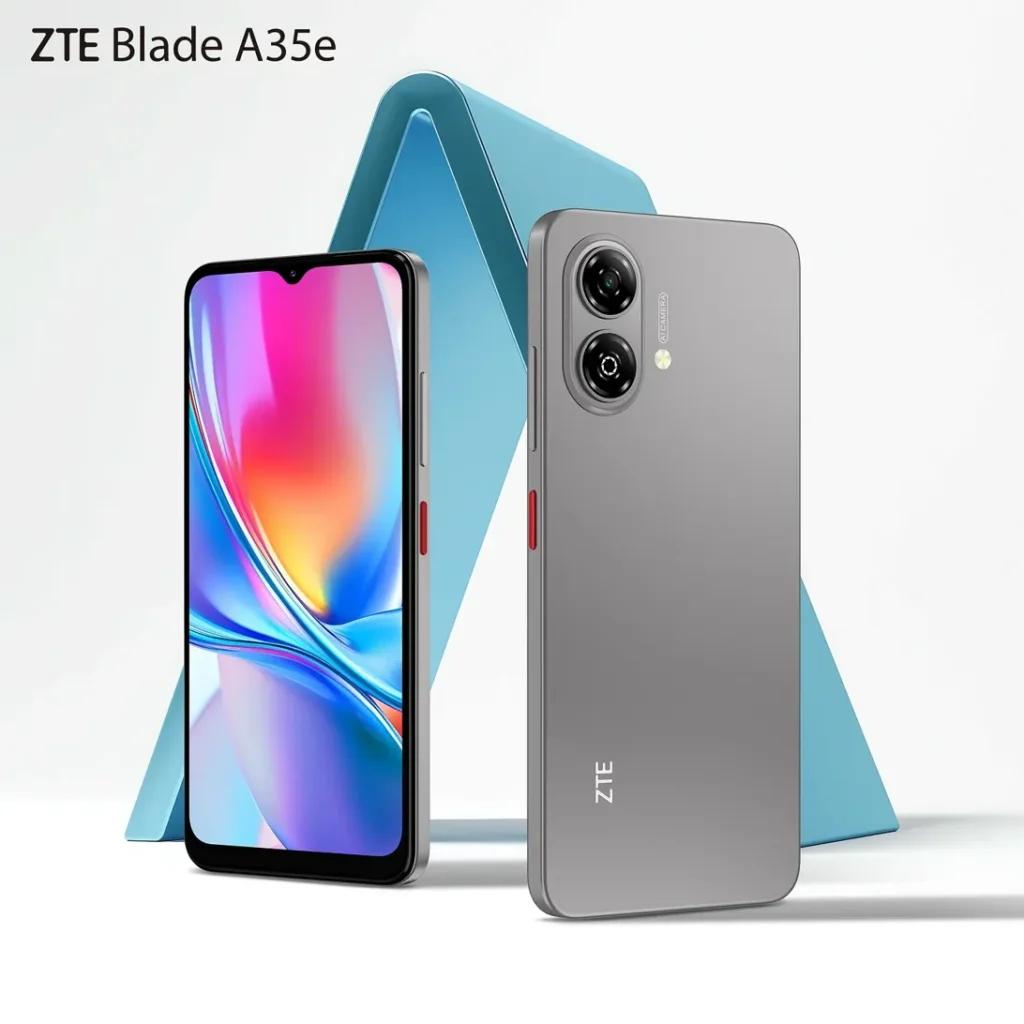
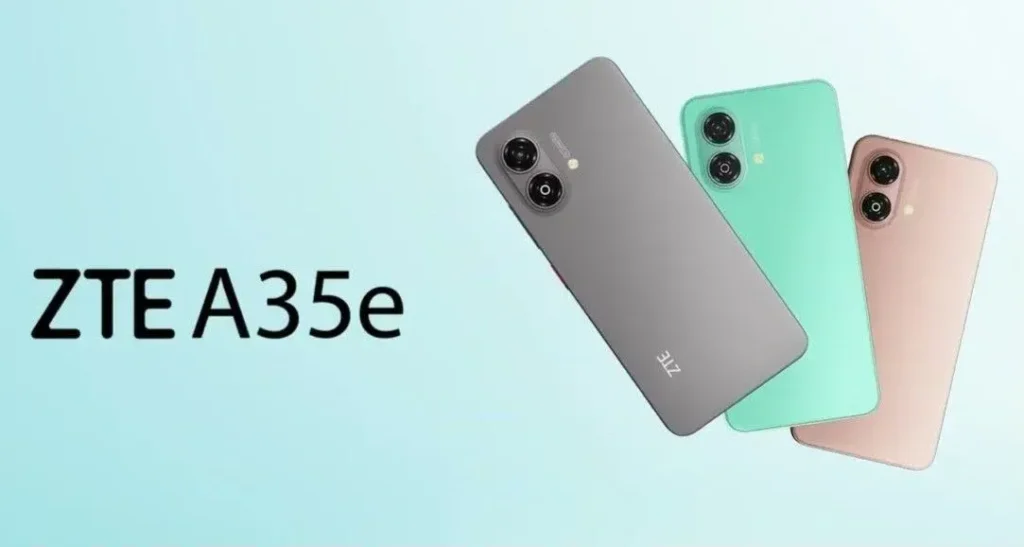
Back mimics that iPhone 17‘s flat camera strip—nothing groundbreaking, just a knockoff that works for the cash. All plastic construction to shave costs, tips the scale at 181 grams so it doesn’t weigh down your jeans. Size-wise, 75.7mm across, 164mm from top to bottom, 8.5mm slim—fits snug in hand or bag. Slots for two nano-SIMs if you’re balancing work and personal lines. Pick from ice green for a chill look, rose pink if softer shades appeal, or silver gray to blend in. Skips luxuries like wireless charging; it’s bare-bones durable, not fancy.

Basic Screen Setup
Display? Waterdrop notch cuts into the top for the front cam. IPS LCD panel spans 6.52 inches corner to corner, pushing 576 x 1280 pixels—HD+ resolution that gets the job done for YouTube or texts without blurring too bad. Around 215 pixels crammed per inch; up close, edges soften, but from arm’s length it’s passable. Likely caps at 60Hz refresh—no silky swipes like 90Hz screens on mid-rangers. Indoor viewing’s solid, but direct sunlight might wash it out a bit.
Standard Battery Life
5000mAh battery tucked inside, the kind you can’t yank out. Tops up slow with 10W charging—expect two hours or more from dead to full if you’re patient. ZTE brags about the build lasting 800 full charges before capacity dips much, figuring on 2-3 years of steady use till it starts fading. Light routine—some messages, calls, occasional web checks—and it’ll chug through a day; crank videos or maps, and you’re hunting plugs by evening.
Entry-Level Power
Unisoc SC9863A chip from a few years back runs the show—budget gear with eight cores split: half at 1.6GHz for quicker bursts, half at 1.2GHz to save juice. PowerVR GE8322 handles graphics; simple puzzles or streams play fine, but toss in something intensive like a battle royale and frames drop, heat builds. eMMC storage means waits when opening apps or shifting files—slower than zippy UFS in newer budgets.
Lightweight Software
Android 14 Go keeps things lean—Google’s slimmed OS for underpowered setups, ditching extras so it doesn’t bog down. 64GB onboard, but system eats some, leaving 50GB-ish free; microSD slot swallows cards up to 512GB easy, maybe more.
Simple Cameras
Rear cams: 8MP main with focus lock, snaps decent in sun—colors pop naturally, though details fuzz on zoom. AI helper tweaks auto, spotting faces or adjusting light without much fuss. Flash kicks in for shadows. Video hits 1080p at 30fps, no shakes stabilized, but usable.
Selfie side: 5MP lens, good for chats or mirror checks—grainy in dim rooms.

Audio Basics
Single speaker fires from the bottom—volume gets there for alerts, sounds flat for tunes. 3.5mm port hooks wired earphones no problem. No dual audio setup.
Connectivity Options
WiFi sticks to 2.4GHz bands—reliable at home, skips faster 5GHz. Bluetooth 5.2 connects steadily to buds, sips power. GPS tags locations with help from networks. USB-C 2.0 does data and juice. Covers 2G, 3G, 4G—no 5G jump yet.
Sensors: motion for tilting, closeness to kill screen on calls, side fingerprint for quick opens if fingers cooperate.
Final Thoughts
Wraps up as a no-frills grab for basic needs—texts, calls, light social without breaking bank in Pakistan. Corners cut everywhere, but hey, at 16k, it delivers what it promises.