

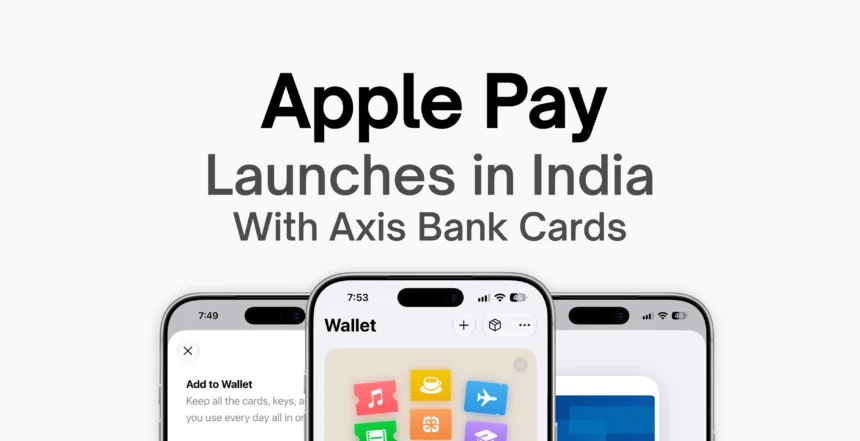
Twelve years after it launched in the US, Apple Pay finally works in India as of today. The catch is that it only works with Visa and Mastercard credit cards issued by Axis Bank, which makes Axis the first Indian bank on the service and leaves everyone else waiting.
What You Can Use It On Right Now
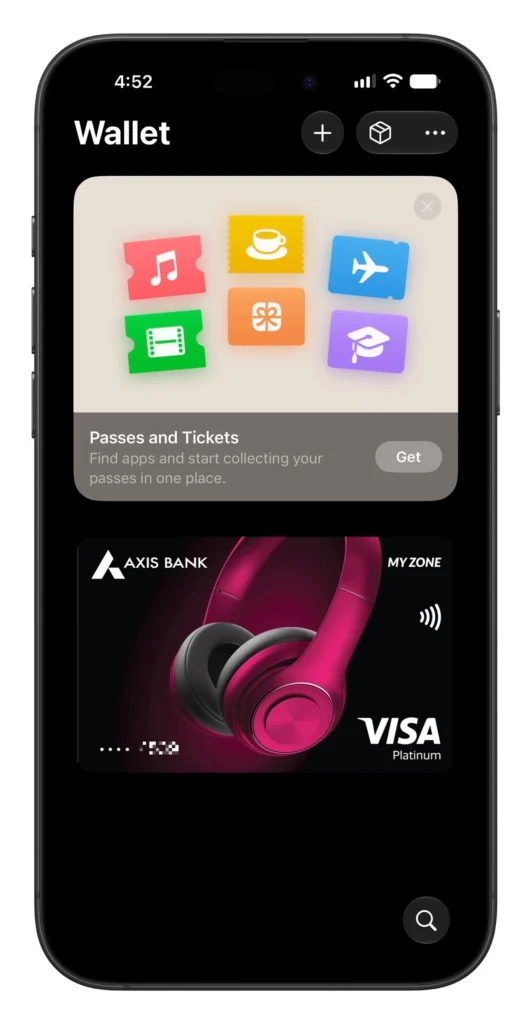
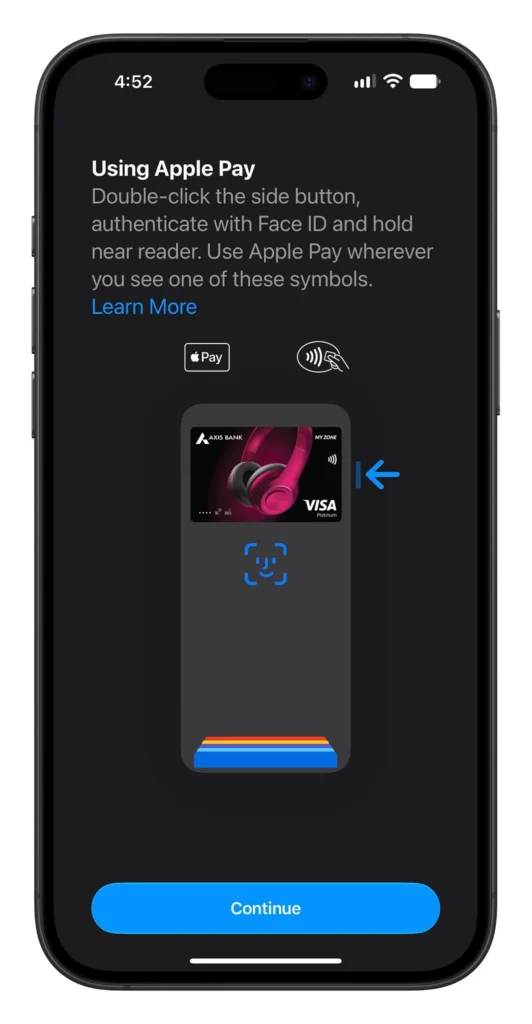
iPhone, iPad and Apple Watch are supported from day one. Mac is coming later, though Apple hasn’t given a date for it. Adding a card is done either through the Axis Bank app or straight from Apple Wallet, and after that you tap to pay at any NFC terminal, in apps, or on websites. No PIN at the terminal and no OTP at checkout, which is the part most people will notice first, since typing a one time password into every online payment is the usual routine here.

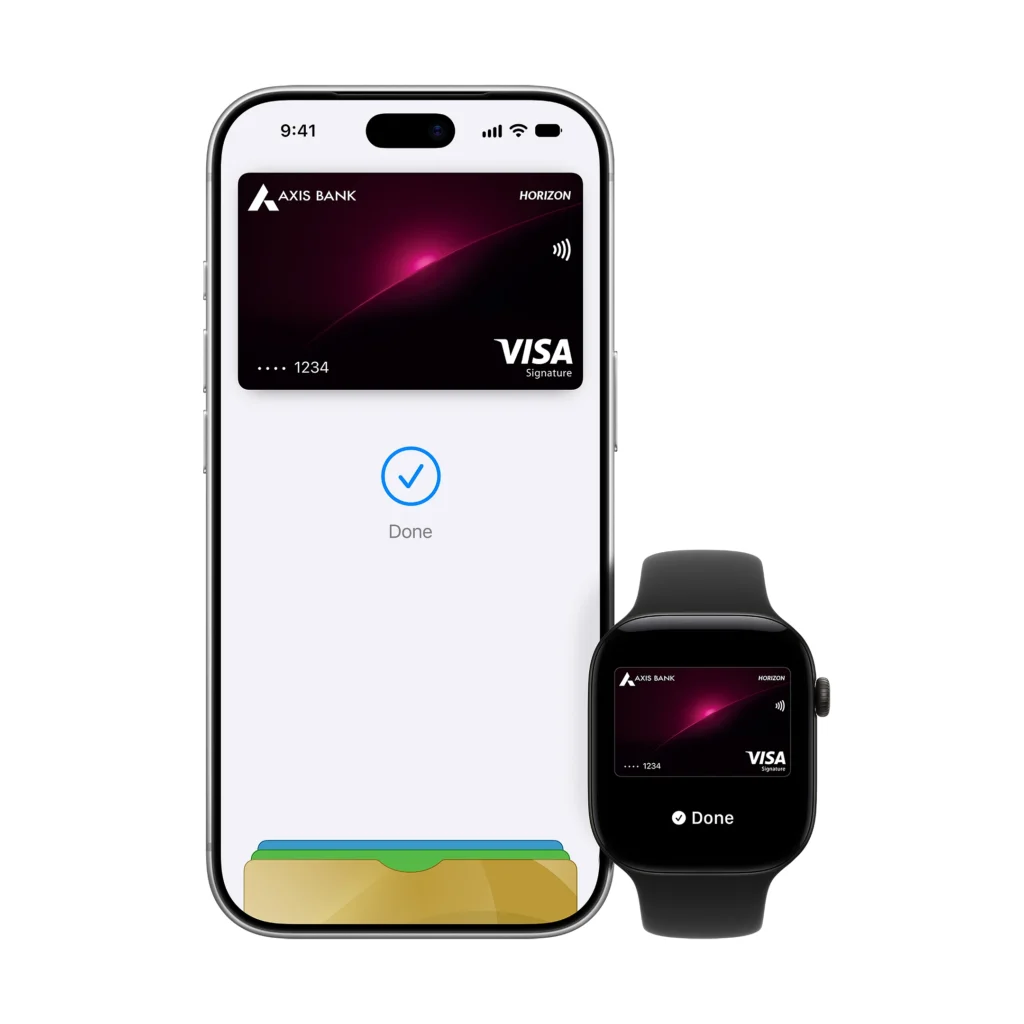
Merchants already accepting it include Blinkit, Zomato, Croma, Tata 1mg, Chaayos, Ixigo, Reliance brands and Apple’s own stores.
What It Does Not Support
This is where the launch looks small. UPI is not supported, RuPay cards are not supported, and neither are debit cards or American Express. Anyone whose daily spending runs through UPI, which is most of the country, gains nothing from this yet.

The numbers put it in perspective. Axis accounts for roughly 11% of national credit card spending, while HDFC, SBI Card and ICICI hold about 64% between them. HDFC and ICICI are reportedly still in talks with Apple. Meanwhile UPI handled 24.51 billion payments in August alone, so Apple Pay is arriving into a market where cards are the smaller half of the story.
How The Security Works
Apple’s press release covers the privacy side, and the mechanism is the same one it uses elsewhere. Your actual card number isn’t stored on the device, isn’t stored on Apple’s servers, and never reaches the merchant. Each transaction goes through a Device Account Number with tokenisation from Visa or Mastercard, so what the shop receives is a one time cryptographic token rather than your card details. Apple also says transactions stay between you, the merchant and your bank.
Your card issuer’s normal fees still apply, so nothing changes on that side.