
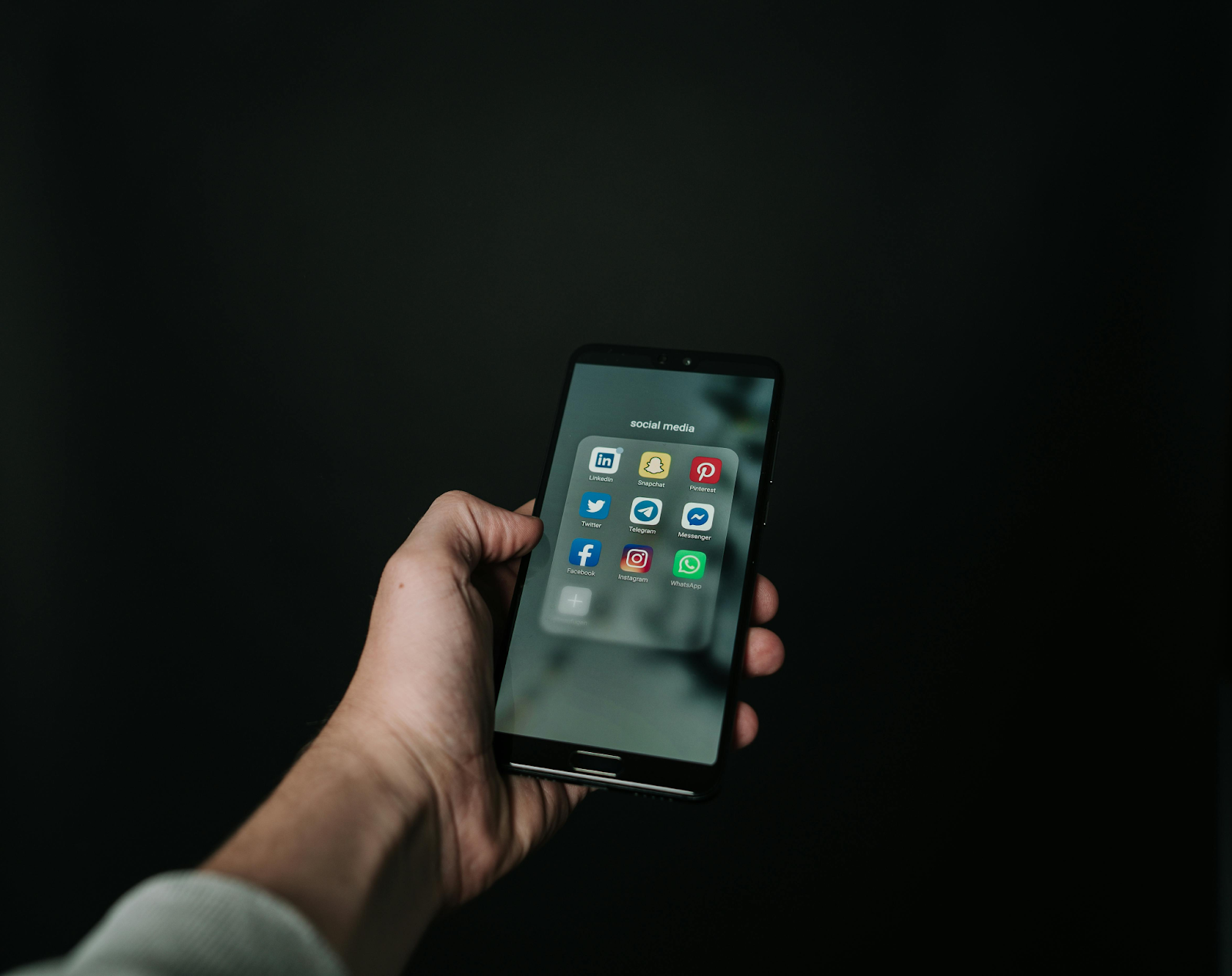
Social media has become a big part of everyday life. People use platforms like Facebook, Twitter, and Instagram to share their thoughts, connect with friends, and stay updated on news. But there’s a problem—most of these platforms are controlled by large companies that decide what can be posted, collect user data, and make money from ads. This has led to concerns about censorship, privacy, and content ownership.
Many people are now looking for a new kind of social media, one that is decentralized and gives users more control over their content and data. Blockchain technology offers a solution, and Solana is one of the best options for building decentralized social media platforms. While some focus on Solana price, the real value of Solana lies in its ability to power fast, scalable, and low-cost applications—including social media networks.
The Problem with Centralized Social Media
Traditional social media platforms operate in a centralized way. This means that a single company owns and controls the platform, storing all user data on its servers. While this model has made social media easy to access, it also comes with several problems:
- Lack of Data Privacy – Centralized platforms collect vast amounts of personal data, which they use for advertising. This data is often stored in a way that makes it vulnerable to leaks and hacks.
- Censorship and Content Removal – Companies have the power to delete posts, ban accounts, or limit the reach of certain content. Users don’t always get a clear reason for these actions.
- Limited Monetization for Creators – Social media platforms make money from ads, but content creators often receive only a small share of the revenue. In some cases, they earn nothing at all.
- Risk of Losing Access – If a platform shuts down or bans an account, the user may lose all their posts, followers, and connections.
Because of these issues, many people are now turning to decentralized social media, where users have more control and ownership.
How Solana Helps Decentralize Social Media
Solana is a blockchain known for its speed, affordability, and scalability. These features make it an ideal foundation for decentralized social media platforms. Here’s why:
1. Faster Transactions and Low Fees
Traditional blockchains like Ethereum have high transaction costs and slower speeds. In contrast, Solana can handle thousands of transactions per second with very low fees. This means users can post, like, and comment without delays or high costs.
2. True Ownership of Content
On centralized social media, the platform owns the data. With Solana-powered social media, every post, video, or image is stored securely on the blockchain, ensuring that users truly own their content.
3. Less Censorship and More Freedom
Decentralized social networks built on Solana don’t rely on a single company to control content. Instead, they use blockchain-based governance, meaning users and communities have a say in how the platform operates.
4. Better Monetization for Creators
Solana allows direct payments between users without middlemen. This means content creators can earn through tipping, NFTs, or tokenized rewards, instead of relying on ad revenue controlled by large companies.
5. Secure and Private Communication
Many decentralized platforms on Solana offer end-to-end encryption, ensuring private messages and interactions stay secure. Unlike traditional platforms, where messages are stored on central servers, decentralized platforms allow users to control their own data.
Examples of Decentralized Social Media on Solana
Several platforms are already using Solana to build the future of decentralized social media. Some notable examples include:
- DSCVR – A Web3-based social network that allows users to own and monetize their content while maintaining control over their data.
- Solbook – A social platform designed for the Web3 community, using Solana’s blockchain to ensure privacy and decentralization.
- X-Solcial – A decentralized communication network where users can post text, images, and videos without a central authority controlling their content.
These platforms are still growing, but they represent the future of user-owned social networks.
How Users Benefit from Decentralized Social Media
If social media moves to decentralized platforms on Solana, users will experience several key benefits:
1. Control Over Personal Data
Users won’t have to worry about companies selling their data to advertisers. Instead, they decide what information to share and with whom.
2. No Risk of Sudden Account Bans
Since decentralized platforms are not controlled by a single company, users won’t lose access to their accounts due to sudden policy changes or corporate decisions.
3. More Ways to Earn Money
Instead of relying on advertising revenue, decentralized platforms offer direct monetization methods, such as receiving tips from followers or selling content as NFTs.
4. Transparent and Fair Content Moderation
Content moderation decisions are made by the community, not a small group of executives. This creates a more balanced approach to handling harmful content.
The Future of Social Media on Solana
Decentralized social media is no longer just an idea—it’s already happening. Solana’s technology offers a fast, secure, and low-cost foundation for these new platforms, helping users regain control of their data, content, and online experience.
As more developers build on Solana and more users look for alternatives to centralized social networks, the future of social media will become more decentralized, user-focused, and fair. Whether you’re a content creator or a casual user, decentralized social media could revolutionize the way we connect online.
Now is the time to explore what Solana-powered social media has to offer. The future of online communication is in your hands.