

Apple pulled off its usual fall event on September 9, 2025, and dropped some solid updates that had been buzzing in rumors for months. They showed four phones total: the standard iPhone 17, the new iPhone 17 Air stepping in for the old Plus version, and the beefier iPhone 17 Pro and Pro Max. We’re skipping the Pros for now—that’s for another write-up. Instead, let’s break down what makes the iPhone 17 and 17 Air worth checking out, with all the key specs, some extra details on how they stack up, and tips on why these might fit your setup. Prices stay reasonable, storage gets a bump, and the thin design on the Air is the real head-turner. Pre-orders kick off September 12, first sales hit September 19, and more countries get them by September 26.
Apple iPhone 17
This one’s the entry point, but Apple fixed the biggest gripe from older base models—no more lagging 60Hz refresh. The iPhone 17 jumps to a 6.3-inch Super Retina XDR OLED screen that’s bigger than last year’s 6.1-inch on the iPhone 16, and it runs ProMotion tech for an adaptive refresh from 1Hz up to 120Hz. That means scrolling feels buttery, videos play crisp without draining power fast, and it opens up Always-On Display so you can peek at time, notifications, widgets, or Live Activities without tapping the screen. The display hits a peak brightness of 3000 nits, which is great for outdoor use under bright sun, and it’s protected by the new Ceramic Shield 2 with an anti-reflective coating to cut down on glare. Resolution sticks to the sharp Super Retina level, and you still get the Dynamic Island cutout for alerts and controls.

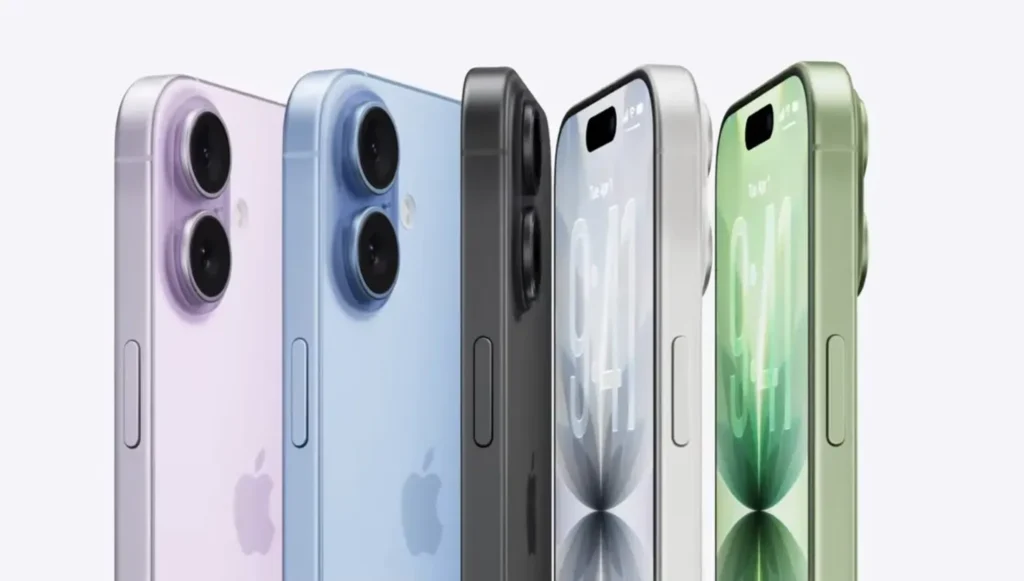
Under the hood, the A19 chip on a 3nm process handles everything with 6 CPU cores and 5 GPU cores, making it snappy for daily stuff like apps, games, or editing photos on the go. It’s not as wild as the Pro chips, but it supports all the new Apple Intelligence features in iOS 26, like smarter Siri responses, text translation in apps, or generating images from descriptions. Battery life claims 30 hours of video playback thanks to optimizations in the chip and screen, though exact capacity isn’t listed—expect around 3200mAh or so based on past models. Charging-wise, it hits 50% in 20 minutes with Apple’s high-wattage USB-C adapter, which you’ll have to buy separate if you don’t have one. Wireless charging is there too, up to 15W MagSafe.

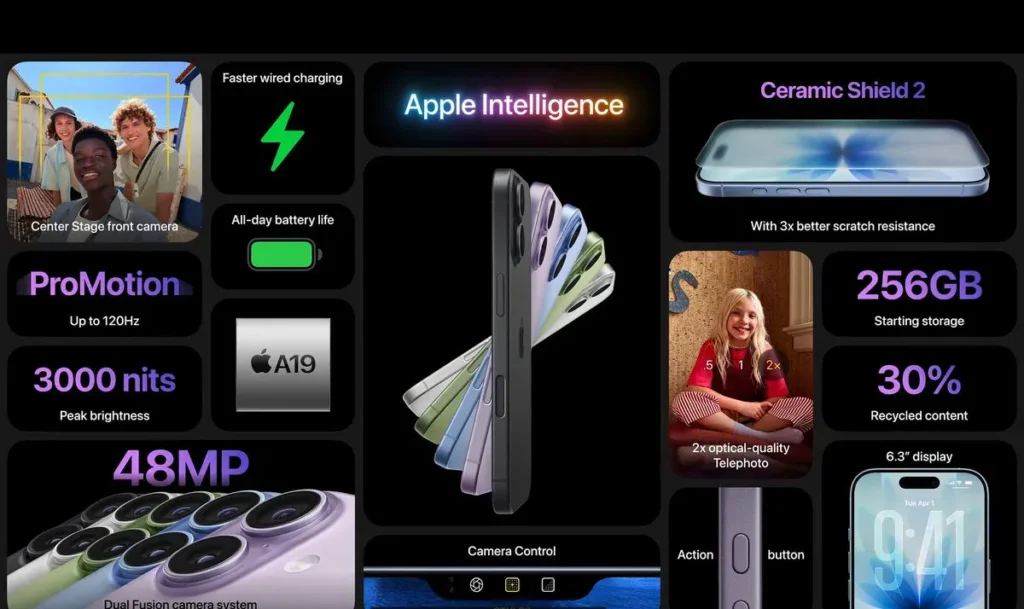
Cameras got a nice upgrade: a 48MP main sensor for sharp shots with better low-light handling, a 48MP ultra-wide that grabs 4x more detail than before for landscapes or close-ups, and an 18MP front camera with improved autofocus for selfies or FaceTime. Video recording goes up to 4K at 60fps, with cinematic mode for pro-looking focus shifts. The phone’s tough too—IP68 rating means it survives dust and water submersion up to 6 meters for 30 minutes. Connectivity includes a new N1 chip for WiFi 7 (faster downloads on compatible networks) and Bluetooth 6, plus the usual 5G modem.

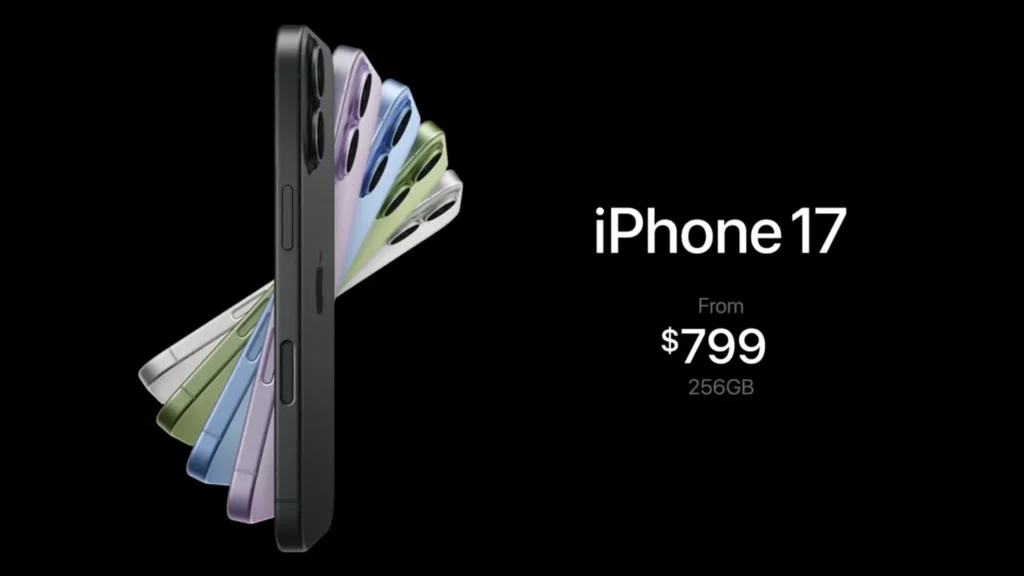
Colors come in lavender, mist blue, sage, white, and black—fresh looks without going overboard. Storage starts at 256GB for the base $799 price (that’s double what the iPhone 16 offered at entry level), with options up to 512GB if you need more space for photos or apps. If you’re upgrading from an older iPhone, this is a solid pick for everyday use without the Pro price tag; the smoother screen alone makes it feel premium, and the battery should last through heavy days of streaming or social media.
Apple iPhone Air
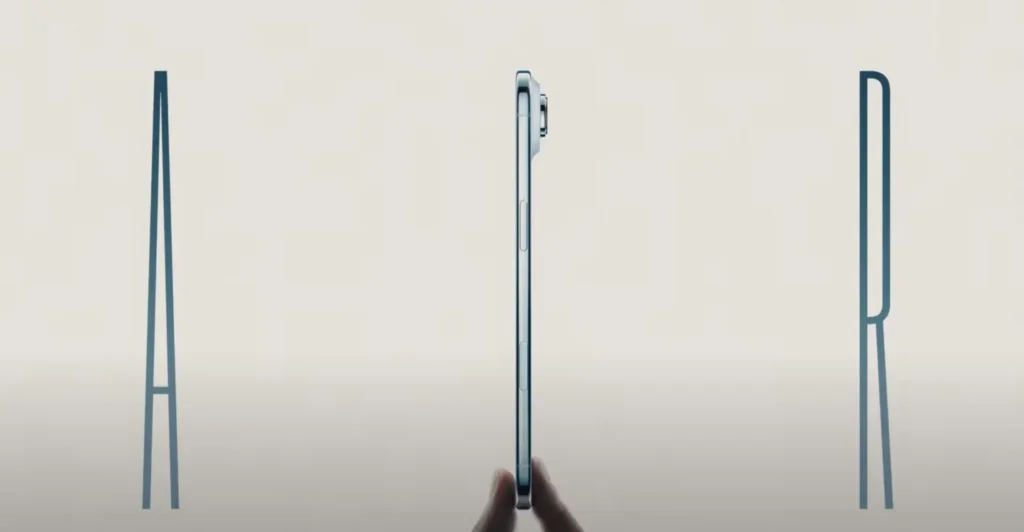
Here’s where things get interesting—the iPhone Air replaces the bulkier Plus model with something way slimmer at just 5.6mm thick, making it the thinnest phone Apple has ever made and thinner than most out there. Apple called it a “paradox you have to hold to believe,” and from the demos, it looks light at 165 grams while still packing a 6.5-inch LTPO Super Retina OLED screen. That’s a bit smaller than the old Plus but bigger than the standard 17, with the same ProMotion 1-120Hz refresh, Always-On Display, 3000 nits brightness, and Ceramic Shield 2 protection. It’s perfect if you want a large view for movies or reading without the weight dragging your pocket down.

Performance steps up with the A19 Pro chip (still 6 CPU and 5 GPU cores), which Apple says is close to base MacBook Pro speeds—great for multitasking, editing videos, or running demanding apps. It handles iOS 26 and Apple Intelligence just fine, including features like priority notifications or custom emoji creation. Battery is billed as “all-day,” likely around 3500mAh, but with the thin body, you might want Apple’s new $99 low-profile MagSafe battery pack for extra juice on long trips. Charging matches the standard 17, with fast wired and wireless options.
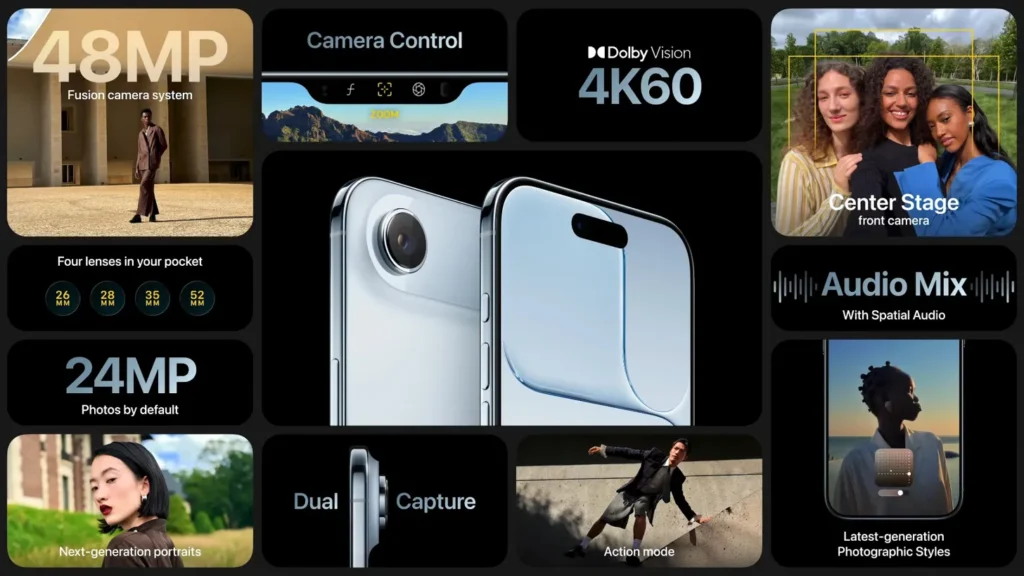
Cameras are simpler here to keep it slim: a single 48MP rear sensor that does lossless 2x zoom for portraits and handles 4K video, plus an 18MP front camera with Center Stage to keep you framed during calls. No ultra-wide or telephoto, so if you shoot a lot of group pics or far-off stuff, stick with the Pro. But for basic snaps, it’s sharp and uses software tricks for depth effects. Connectivity mirrors the 17 with WiFi 7, Bluetooth 6, and a C1X 5G modem for reliable signals. IP68 rating keeps it safe from spills.
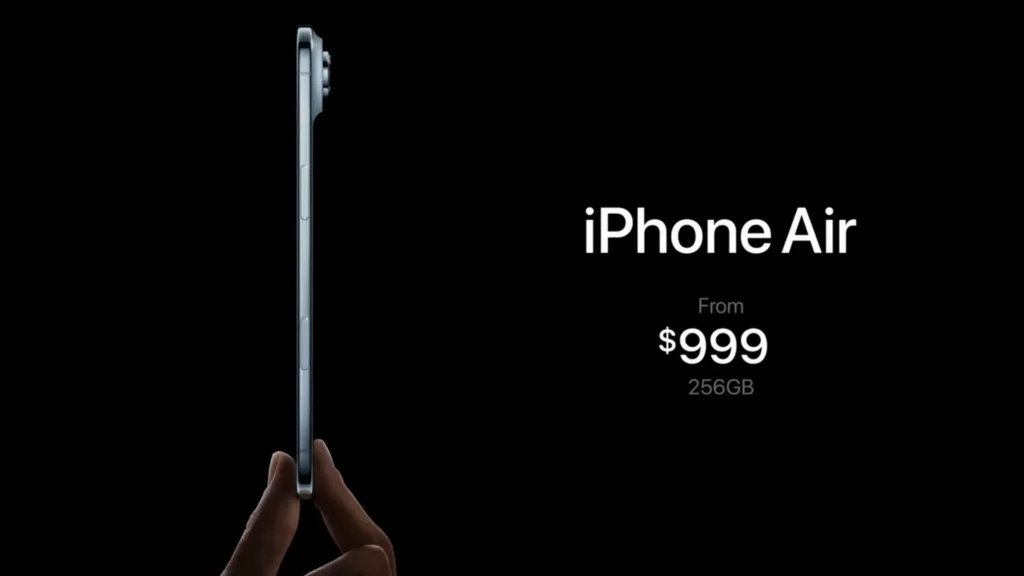
Colors are understated: Space Black, Cloud White, Light Gold, and Sky Blue, tying into the “Liquid Glass” theme in iOS 26 for a clean vibe. Storage starts at 256GB for $999, with higher tiers available. This one’s best for folks who hate bulky phones but want a big screen—think commuters or anyone tired of heavy slabs. Drawback? The single camera might limit creative shots, and the thinness could mean less room for a huge battery, so plan for that pack if you’re a power user.
What’s New Across the Board and Why It Matters
Both phones run iOS 26 right out of the box, bringing Apple Intelligence for things like rewriting emails, summarizing notes, or cleaning up photos with a tap. The hardware supports satellite messaging in more spots, and durability got a boost with tougher builds. Compared to last year, the base storage doubling is a win—no more skimping on 128GB—and prices didn’t budge, which is rare these days. If you’re on an iPhone 14 or older, the jump to 120Hz and better cameras feels huge; for iPhone 16 owners, maybe wait unless you crave the thin Air.
One tip: Grab a case that adds grip without bulk, especially for the Air, since slim phones can slip. Overall, these keep Apple ahead on polish, but Android fans might point to foldables for more wow factor.
Pricing and Availability
To wrap it up, iPhone 17 starts at $799 for 256GB, iPhone Air at $999 for the same. Pre-order on the 12th if you want early access. Check carrier deals for trade-ins—they often knock off hundreds. If battery life is your main worry, go for the standard 17; for portability, the Air shines. Either way, test them in-store starting the 19th to feel the thinness or screen smoothness yourself. If this doesn’t cover what you’re after, like Pro comparisons, hit me up with details.