
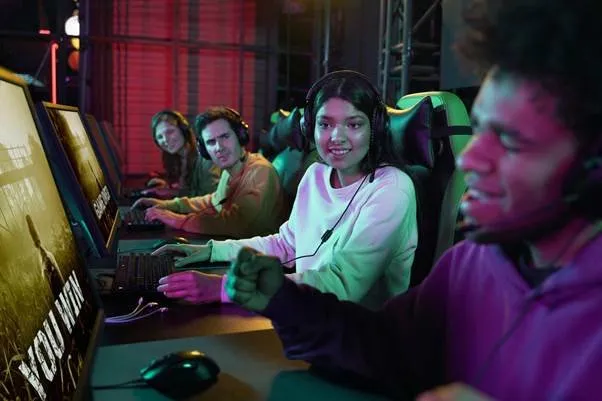
A multiplayer match begins quietly. One player joins from Brazil; another logs in from South Korea. At first glance, everything works exactly as it should. The game runs smoothly on console, PC, and mobile. Players connect without technical trouble. Cross-platform play works as expected. Then small communication issues begin to appear.
One player interprets the objective differently. Another interprets a mission update in a completely different way. A joke typed in chat feels oddly blunt instead of funny. On forums, players start asking the same question about a feature that behaves differently across regions. None of these issues are tied to servers or gameplay mechanics. They come from something less obvious: language.
Cross-platform games bring together players who may never share a real-world space. That global mix is one of the reasons modern multiplayer communities feel so dynamic. But once thousands or even millions of players interact across languages and cultures, communication becomes just as important as gameplay systems.
The Hidden Difficulty: Community Messaging

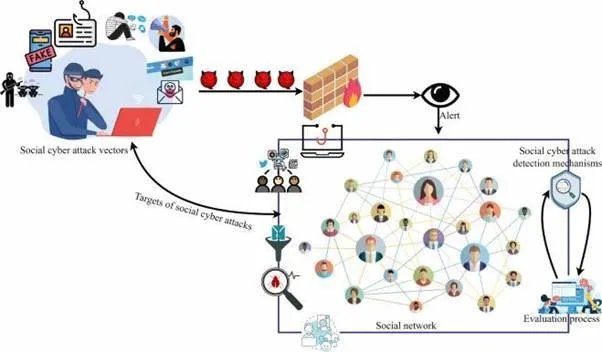
Game mechanics usually receive careful attention. Balance adjustments are tested, graphics refined, and performance optimized. Communication doesn’t always receive the same level of care. Patch notes might be translated quickly. Forum posts sometimes rely on automated tools. Event announcements can lose important details during translation. At first, this doesn’t seem serious. But players depend on these updates to understand what has changed. Imagine a skill adjustment explained poorly in translation. Some players may think the ability was removed, while others believe it was strengthened. Debates start long before clarification arrives. The confusion begins with wording.
How Culture Interacts with Communities
Every gaming community develops its own tone over time. Players share slang, humor, and small traditions that make the environment feel familiar. Those subtle layers rarely translate neatly between languages. A playful remark in one culture may seem direct in another. Sarcasm can sound like criticism when translated literally. Even celebratory messages sometimes lose their tone when cultural context disappears. Seasonal events show this clearly. A message written for one audience might feel oddly distant or simply confusing in another region. When this happens repeatedly, players begin to feel overlooked. Language quietly signals whether a community feels understood.
Live-Service Games Never Stop Communicating

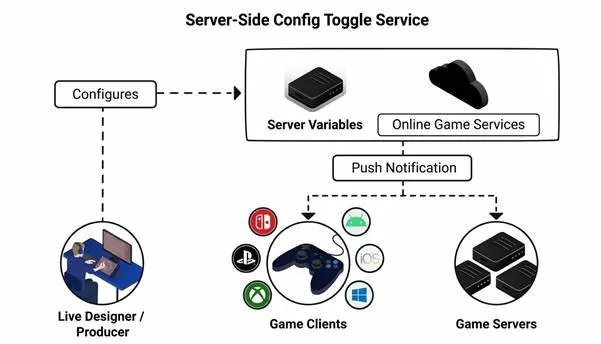
Many modern multiplayer games operate as live services. Entire gameplay systems change over time. Every change needs explanation. Players want to know why something shifted, why matchmaking works differently, why a weapon was adjusted, or why an event format changed. When those explanations feel incomplete or confusing, speculation fills the silence. Often, frustration grows when players feel left out of the conversation. Consistent, understandable communication builds long-term trust.
Competitive Play Leaves Little Room for Confusion
In competitive gaming environments, clarity becomes even more important. Professional teams analyze patch notes carefully. Streamers break down mechanics for viewers. Community discussions influence strategies across entire regions. A mistranslated sentence can reshape how players interpret a balance update. Teams might spend weeks practicing strategies built on a misunderstanding. Even after corrections appear, the original confusion can linger. Competitive ecosystems rely on shared understanding. Accurate translation protects that foundation.
Players Extend the Conversation
Modern gaming communities produce a huge amount of their own content. Players create guides, short videos, tutorials, and strategy discussions that reach far beyond the original game interface. Official terminology influences all of this.
If a weapon has one name in English and a slightly different one in another language, players begin debating whether they refer to the same item. Event features may be described differently depending on the translation used. Instead of discussing strategy, communities spend time figuring out what the terms actually mean. Consistency across languages keeps those conversations smooth.
Where a Video Game Translation Agency Makes a Difference


At this point, translation stops being about converting individual sentences. It becomes about maintaining communication across an entire ecosystem. Working with a professional video game translation agency can help developers build terminology systems that remain consistent across updates, regions, and platforms. Rather than translating isolated pieces of text, they work with context: how mechanics function, how players discuss them, and how community managers interact with players.
Patch notes, help articles, esports announcements, and support messages all receive coordinated attention. Over time, this approach keeps language aligned across every channel players rely on. The result is simple: players spend less time interpreting messages and more time enjoying the game.
Localization Extends Beyond the Game Screen

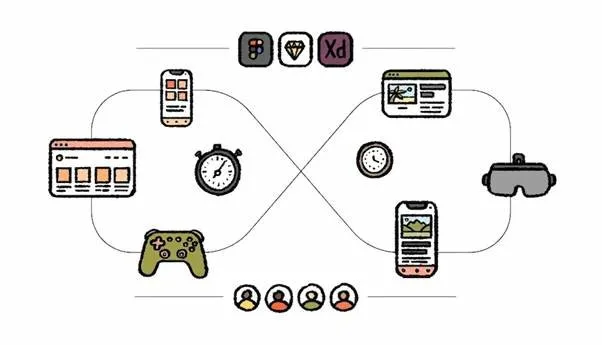
Players interact with games in many places beyond the main interface. Store pages, update posts, livestream announcements, forums, and companion apps all shape how people understand a title.
When the language quality changes from one platform to another, the experience starts to feel inconsistent. Teams approach localization as a broader communication system similar to the workflows used by the best app localization services to maintain consistent language across platforms.
Last Words
When language works smoothly, most players barely notice it. The moment it breaks down, the difference becomes obvious. Unclear patch notes and mismatched terminology slowly weaken trust inside a community.
Cross-platform gaming brings together players with different cultures and ways of communicating. Language becomes the connection that links those perspectives. When that thread stays strong, collaboration becomes easier. Strategies spread quickly, discussions remain productive, and the community grows without splintering. Good localization rarely attracts attention. Yet behind the scenes, it supports something essential: the shared understanding that keeps global gaming communities connected.