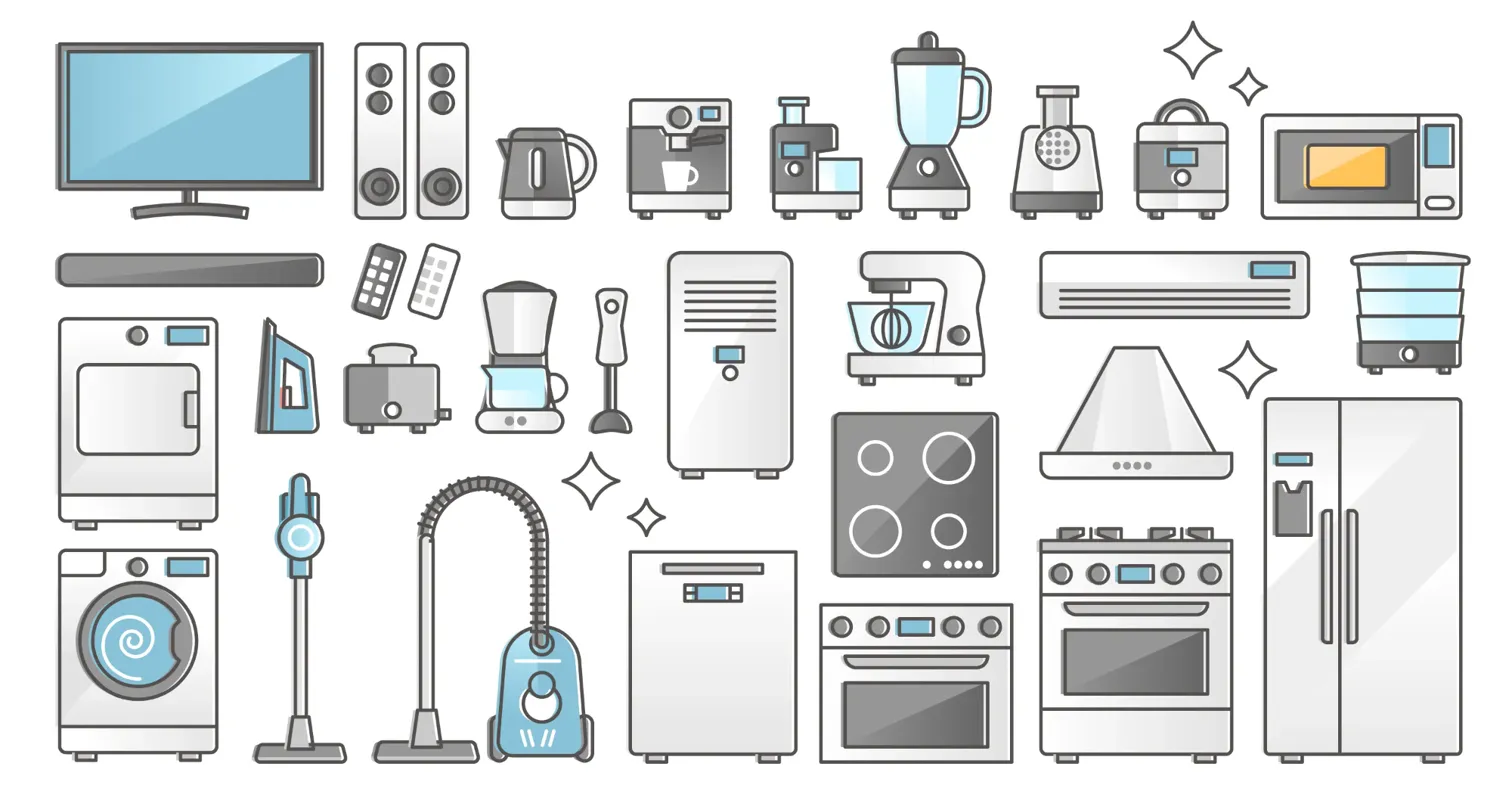
The biggest change isn’t the “smart” features everyone talks about. It’s load sensing technology that actually works. Modern machines weigh your clothes, analyze fabric movement patterns, and adjust everything automatically. Your machine now makes better decisions than you did manually.
Thanks to team Appliance Fixers, ak APFIXERS for providing us this information.
Traditional Washing Tech (Pre-2015)
- Fixed water levels – small, medium, large. You guessed wrong half the time and wasted water.
- Timer-based cycles running predetermined sequences. 30 minutes for cotton whether you had two shirts or twenty.
- Mechanical thermostats maintaining approximate temperatures. “Warm” meant anywhere from 80-110°F depending on your water heater.
- Single-direction agitator motors. Back and forth, same speed, same force for delicates and denim.
- Mechanical door locks using solenoids. Broke constantly, especially Samsung’s infamous 2010-2013 models.
- Balance detection through mechanical switches. Machine walked across your laundry room before detecting imbalance.
- Detergent was your problem. Too much created suds locks, too little left clothes dirty.
Current Washing Tech (2020-2025)
- Load cells under the drum measure weight to 0.1kg accuracy. Water fills to exact requirements.
- Inverter direct drive motors eliminate belts. LG’s 2024 models hit 1400 RPM with noise under 48dB.
- Automatic detergent dosing reads water hardness, soil level, load size. Miele’s TwinDos system adjusts to 0.1ml precision.
- AI fabric detection using drum rotation resistance patterns. Samsung’s 2023 models distinguish 15 fabric types without user input.
- Heat pump drying technology in combo units. Uses 50% less energy than traditional heating elements.
- Vibration sensors with 6-axis gyroscopes. Machines auto-level and redistribute loads before spinning.
- Microplastic filters catching particles down to 50 microns. France mandated these starting 2025.
- Steam injection at 1.5 bar pressure for sanitization. Kills 99.9% bacteria without 160°F water.
Refrigerator: From Dumb Cooling Boxes to Climate Zones That Track Individual Strawberries
Your fridge used to have one job: stay cold. Now it has different temperatures, humidity levels, and air circulation patterns in every drawer. Some models literally photograph your food and remind you to eat it before it spoils.
Traditional Refrigerator Tech (Pre-2015)
- Single compressor cycling on/off based on one thermostat. Freezer at -18°C, fridge at 4°C, no variations.
- Defrost timers running every 8-12 hours regardless of frost buildup. Wasted energy, created temperature swings.
- Static cooling with cold air falling, warm air rising. Bottom shelf 35°F, top shelf 42°F.
- Manual humidity drawers with plastic sliders. “High” and “low” settings that nobody understood.
- R-134a refrigerant with GWP (global warming potential) of 1,430. Leaked regularly through copper connections.
- Door seals using simple magnetic strips. Lost 30% efficiency after five years.
- Fixed shelving supporting maybe 30kg. Spilled milk meant removing everything.
Current Refrigerator Tech (2020-2025)
- Twin cooling systems with separate evaporators. Freezer and fridge have independent humidity control.
- Linear compressors adjusting speed 0-100% based on demand. LG’s 2024 models vary from 1,800 to 3,600 RPM.
- Metal cooling plates maintaining uniform temperature. Samsung’s Metal Cooling holds temp within ±0.5°C.
- Vacuum insulated panels (VIPs) in walls. 10x better insulation than polyurethane foam in same thickness.
- R-600a refrigerant with GWP of 3. Uses 25% less energy for same cooling capacity.
- Door-in-door designs reducing cold air loss by 47%. LG’s 2023 patent shows actual measured data.
- Camera systems with AI food recognition. Bixby identifies 33 food types and tracks expiration dates.
- Humidity sensors with ultrasonic measurement. Maintains 90% humidity for vegetables, 65% for fruits automatically.
- UV-C LED sterilization in water dispensers. Kills bacteria without filters needing replacement.
Air Conditioner: From On/Off Cooling to Systems That Pre-Cool Your Bedroom at 9:47 PM
ACs used to blast cold air until hitting target temp, then shut off completely. Now they run continuously at variable speeds, maintaining temperature within 0.5 degrees while using 60% less power.
Traditional AC Tech (Pre-2015)
- Fixed-speed compressors running 100% or 0%. Constant cycling created 3-4°C temperature swings.
- SEER ratings around 13-14. Consumed 3,500 kWh annually for average US home.
- R-22 refrigerant phased out for depleting ozone. Systems leaked 10% of refrigerant annually.
- Mechanical thermostats with 2°F accuracy. Bi-metal strips physically bending to make contact.
- Single-stage cooling regardless of load. Running full power to drop temperature 1 degree.
- Basic filters catching particles over 10 microns. Changed monthly if you remembered.
- Window units vibrating at 65dB. Whole house arguing over temperature settings.
Current AC Tech (2020-2025)
- Inverter compressors modulating 10-110% capacity. Mitsubishi’s 2024 units hold ±0.3°C indefinitely.
- SEER ratings hitting 26+. Carrier’s Infinity 26 uses 1,346 kWh for same cooling as old 3,500 kWh units.
- R-32 refrigerant with 68% lower GWP than R-410A. Single component makes recycling possible.
- Presence sensors detecting humans and pets. Daikin’s 2023 models create cooling zones following movement.
- Coil sensors measuring exact refrigerant temperature and pressure. Systems self-diagnose problems before failure.
- HEPA + activated carbon filters removing particles to 0.3 microns and VOCs. Some include photocatalytic oxidation.
- AI learning patterns predicting cooling needs. Google Nest reduces runtime 20% through occupancy learning.
- Geofencing turning on AC when you’re 10 minutes from home. House at perfect temperature on arrival.
- Dual-fuel capability switching between electric and gas based on real-time energy prices.
Robot Vacuum: From Random Bumping to Machines That Remember Where You Drop Popcorn
Robot vacuums used to ping-pong around until battery died. Now they map your house in 3D, avoid cat vomit, and return to base to empty themselves. Some even mop, but not well.
Traditional Robot Vacuum Tech (Pre-2015)
- Random navigation using bump sensors. Roomba 650 hit same spot five times, missed others completely.
- NiMH batteries lasting 60 minutes. Died randomly, usually under your bed.
- Single rotating brush and weak suction around 600 Pa. Picked up surface dust, nothing embedded.
- Infrared cliff sensors preventing stairs falls. Worked 90% of time, RIP the other 10%.
- Manual dustbin emptying after every run. 0.3 liter capacity meant constant maintenance.
- Magnetic strip boundaries keeping robots out. Ugly black strips across doorways.
- No height adjustment for carpets. Got stuck on medium-pile every time.
- 70dB operating noise. Couldn’t run while watching TV.
Current Robot Vacuum Tech (2020-2025)
- LiDAR mapping creating 3D room models accurate to 2cm. Roborock S8 stores 4 floor plans.
- AI obstacle recognition identifying 42 object types. iRobot j9+ avoids cables, socks, pet waste.
- 5,000+ Pa suction power. Dyson 360 Vis Nav pulls embedded dirt from carpets.
- Auto-empty docks holding 60 days of debris. Bags seal automatically preventing dust clouds.
- Ultrasonic mopping with 3,000 vibrations/minute. Ecovacs X2 Omni actually scrubs, doesn’t just drag wet cloth.
- Hot water mop washing at 60°C in dock. Kills bacteria, removes oil-based stains.
- Voice control with room-specific commands. “Clean under the kitchen table” actually works.
- D-shaped designs reaching corners. Neato’s design gets 70% closer to walls than round units.
- Dual rubber brushes eliminating hair tangles. iRobot’s counter-rotating design stays maintenance-free for months.
- Operating noise under 55dB on quiet mode. Can run at night without waking anyone.
Oven: From Hoping Your Casserole’s Done to Cameras That Know When Your Cookies Are Perfect
Ovens were temperature boxes with timers. Now they have steam injection, dual convection, cameras watching your food brown, and can air fry better than actual air fryers.
Traditional Oven Tech (Pre-2015)
- Single heating element cycling on/off. Bottom element for baking, top for broiling, never both.
- Mechanical thermostats with ±25°F accuracy. Set to 350°F, actual temperature 325-375°F.
- Basic convection using one fan. Reduced cooking time 25% but dried everything out.
- Mechanical timers you had to remember to set. Burnt dinners when you forgot.
- Self-clean cycles hitting 880°F for 3 hours. Kitchen became sauna, smoke alarms screaming.
- Single oven cavity wasting energy for small items. Heating 5 cubic feet to reheat pizza.
- Manual temperature probes you inserted and watched. Standing there checking if turkey hit 165°F.
- Porcelain enamel interiors chipping and staining. Impossible to clean after five years.
Current Oven Tech (2020-2025)
- True convection with third heating element around fan. KitchenAid’s Even-Heat eliminates cold spots completely.
- Steam injection systems adding moisture on demand. Miele’s MasterChef adds 100ml bursts for crusty bread.
- Dual-cavity ovens with independent temperature zones. Samsung’s Flex Duo cooks at 300°F and 425°F simultaneously.
- Internal cameras with AI food recognition. June Oven identifies 100+ foods and adjusts cooking automatically.
- Precision temperature holding ±1°F. Anova Precision Oven maintains exact temperatures for sous vide cooking.
- Air fry modes reaching 6,000 RPM fan speeds. Replaces countertop air fryers completely.
- Connected temperature probes alerting phones. Weber Connect tracks four meats simultaneously.
- Pyrolytic and catalytic self-cleaning at 500°F. Uses 75% less energy than old 880°F cycles.
- Induction cooktop combinations. Bosch Benchmark provides 11,000W induction with convection oven below.
- Augmented reality apps showing where to place food. Bosch Home Connect overlays rack positions through phone camera.