As wearable technology becomes increasingly prevalent and seamlessly integrated into our daily lives, concerns surrounding privacy and security have emerged as significant challenges. Understanding the potential risks and consequences associated with the collection, storage and utilization of personal data is paramount as wearables continue to gain popularity and connectivity. This article delves into the privacy and security issues surrounding wearable technology, examining potential threats, evolving regulatory landscapes and proposing solutions to safeguard user data.
Data Collection and Usage
Wearable technology collects a wide range of personal data, from basic fitness metrics to more sensitive information such as heart rate, location and sleep patterns. The sheer volume of data collected raises questions about its purpose, sharing and security. Unauthorized access, data breaches and third-party data sharing pose significant threats to user privacy.
Data Security and Encryption
Given that wearable devices often transmit and store personal data wirelessly, they are susceptible to cyberattacks. Inadequate security measures or a lack of encryption can leave user information vulnerable to hackers and unauthorized access. Manufacturers must prioritize robust security measures to protect user data at every stage, from collection to storage and transmission.
User Awareness and Consent
Preserving user privacy in wearable technologies hinges on user knowledge and consent. Users should have complete awareness of the data being collected, its intended purpose and how it will be used. Companies must be transparent and truthful about their data practices, enabling users to make informed decisions regarding their privacy.
The Wearable Ecosystem and Data Sharing
As wearables become increasingly interconnected with other devices and services, concerns regarding data sharing within this broader ecosystem come to the forefront. Wearable manufacturers must establish strict data-sharing guidelines and obtain explicit user consent when sharing data with third parties to prevent misuse or exploitation of user information.
Regulatory Environment and Standards
The regulatory landscape is evolving to address privacy and security issues in wearable technology. Stringent data protection regulations and laws, such as the General Data Protection Regulation (GDPR) and the California Consumer Privacy Act (CCPA), are gaining prominence among regulators and governments. Wearable technology firms must adhere to these laws to maintain privacy compliance and foster customer trust.
User Empowerment and Control
Empowering users to take control of their data and determine its collection and usage is imperative. Providing user-friendly access to privacy settings, data-sharing preferences and detailed consent options is essential in addressing privacy concerns and building trust. Granting users authority over their data is key to resolving privacy issues.
Ethical Considerations
Wearable technology introduces ethical concerns related to the responsible handling of personal information. Companies must adopt ethical data handling practices that prioritize user security and privacy. Transparency, fairness and accountability should be integral to ethical considerations to prevent the misuse of user data.
Proactive Measures
In the era of wearable technology, privacy and security concerns are of utmost importance. Proactive measures must be taken to address these concerns as wearable technology continues to advance and integrate into various aspects of our lives. Striking the right balance between innovation and privacy protection is crucial to ensure user confidence and the ethical development and implementation of wearable technologies.
Pros And Cons
Pros:
- Convenience and Portability: Wearable technology is easy to carry and wear, making it convenient for users to access information and features on the go.
- Health and Fitness Tracking: Wearables can monitor various health metrics, helping users stay fit and maintain a healthy lifestyle.
- Enhanced Connectivity: They enable seamless connectivity to other devices, promoting a connected ecosystem.
- Hands-Free Functionality: Users can perform tasks without physically interacting with their devices, enhancing multitasking capabilities.
- Real-time Notifications: Wearables provide instant access to notifications, keeping users informed.
- Personalized Experiences: They can offer tailored recommendations and experiences based on user data.
- Accessibility Enhancement: Wearables assist individuals with disabilities by offering accessibility features.
- Data Collection for Research: Data collected from wearables can contribute to research in various fields, including healthcare and sports.
- Innovative Applications: Wearable technology fosters innovation in industries like fashion, healthcare and entertainment.
- Social Integration: They enable social networking, messaging and sharing experiences with friends.
Cons:
- Privacy Concerns: Wearables collect personal data, raising concerns about how that data is used and protected.
- Security Risks: They are vulnerable to cyberattacks and unauthorized access, potentially compromising user information.
- Data Overload: Continuous data collection can overwhelm users with information, making it challenging to manage.
- Battery Life: Many wearables have limited battery life, requiring frequent recharging.
- Cost: High-quality wearables can be expensive, limiting accessibility for some users.
- Limited Screen Size: Small screens on wearables may not be suitable for all tasks or activities.
- Compatibility Issues: Wearables may not be compatible with all devices or platforms, leading to limitations in functionality.
- Potential Health Concerns: Some users may experience discomfort or health issues related to prolonged wearable use.
- Distraction: Wearables can be distracting, diverting attention away from the real world.
- Limited Functionality: Compared to larger devices like smartphones and computers, wearables have limited processing power and functionality.
FAQs
Wearable technology refers to electronic devices that are worn on or close to the body, typically designed to collect data, provide information, or enhance the user’s experience in various aspects of their life.
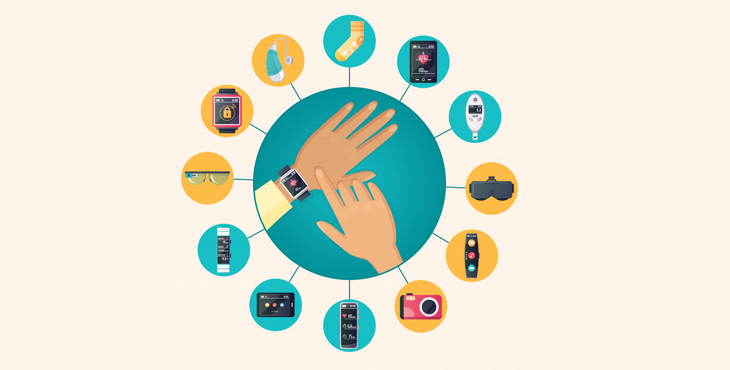
Common examples of wearable technology include smartwatches, fitness trackers, augmented reality glasses, hearables (smart headphones) and smart clothing with embedded sensors.
Fitness trackers typically use sensors to monitor physical activities like steps taken, heart rate, sleep patterns and more. They sync this data to a connected device or app, allowing users to track and analyze their health and fitness metrics.
Privacy concerns include the collection and storage of personal data, such as health information and location data. Unauthorized access, data breaches and the sharing of user data with third parties without consent are significant privacy issues.
You can protect your privacy by carefully reviewing and adjusting the device’s privacy settings, using strong and unique passwords, being selective about the data you share and keeping your device’s firmware and software up to date.
Conclusion
As wearable technology becomes increasingly ubiquitous, it is essential to confront the critical issues of privacy and security. This era presents new challenges and dilemmas regarding the collection, storage and utilization of personal data. Device manufacturers, developers, policymakers and users must prioritize the protection of user data and uphold ethical business practices.
Establishing straightforward permission processes, implementing robust data encryption and enforcing strict data access rules are imperative for preserving privacy in wearable technology. User comprehension of data and its usage is paramount, striking a balance between data collection for personalized experiences and privacy protection.
Addressing security vulnerabilities in wearables requires a focus on firmware updates, encryption techniques and secure authentication mechanisms by manufacturers. Regular audits and assessments can help identify and mitigate potential risks.
To ensure responsible and ethical use of wearable technology, regulatory frameworks and industry standards should be established through collaboration among stakeholders. Manufacturers, developers, researchers and policymakers must work together to develop policies and best practices that safeguard user privacy and enforce security requirements.
Ultimately, consumers also bear responsibility for their security and privacy. Being vigilant about permissions granted to wearable apps, using secure passwords and staying aware of potential risks are essential steps individuals can take to maintain control over their personal data.
Prioritizing privacy and security is paramount as wearable technology continues to evolve and integrate into our daily lives. By proactively and effectively addressing these challenges, we can fully leverage the benefits of wearable technology while safeguarding user privacy and ensuring data security in this rapidly changing digital landscape.