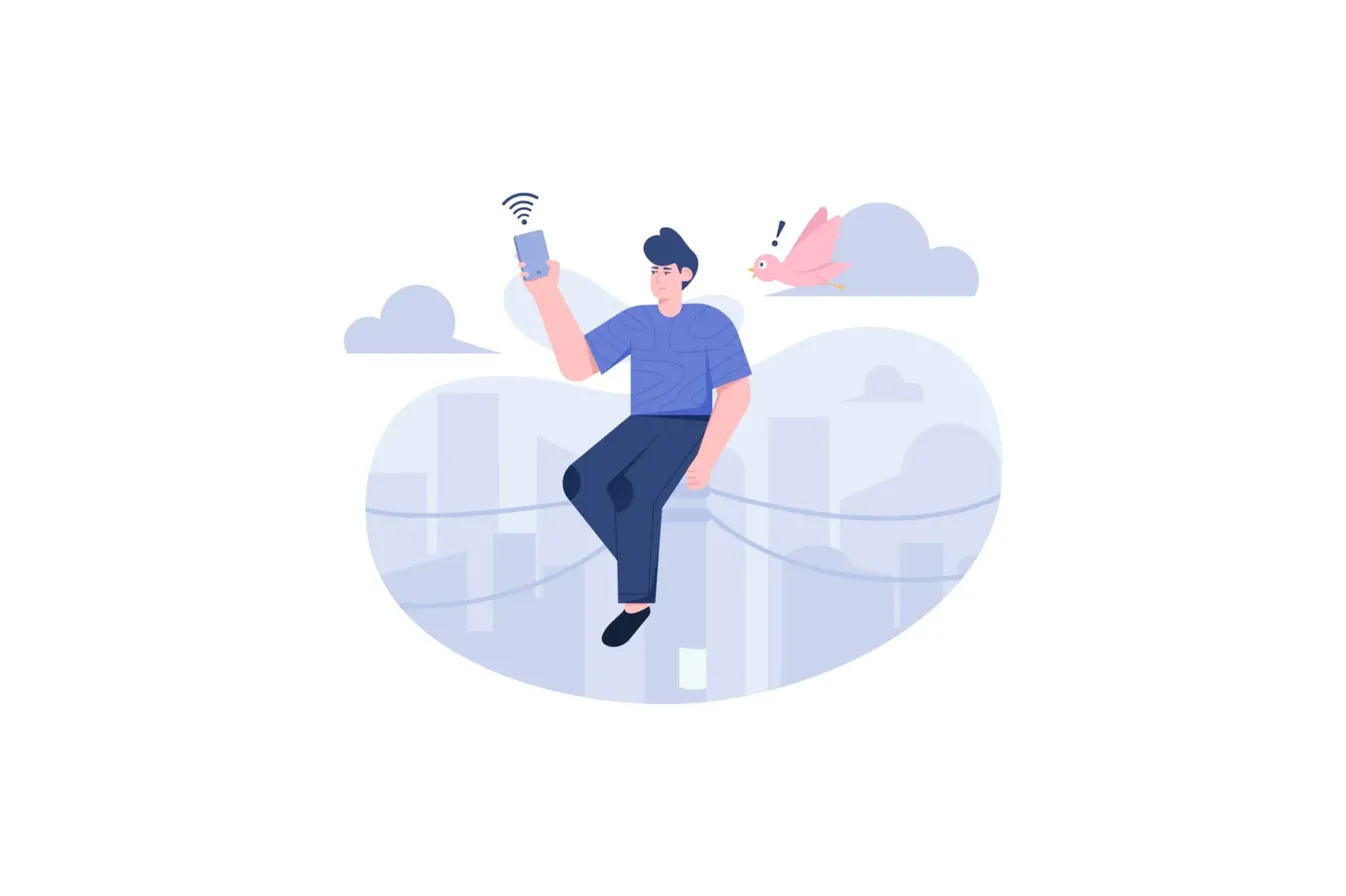

Have you ever noticed your phone typing, swiping, or opening apps all by itself? That’s called ghost touch, and it’s one of the most frustrating screen issues smartphone and tablet users face. Ghost touch not only makes your device unreliable, but it can also lead to accidental calls, messages, or even app deletions.
This guide explains what ghost touch really is, its most common causes, and how you can perform safe DIY checks at home. And if those don’t work, we’ll help you decide when professional repair is the smarter choice.
This content is created in collaboration with Yourelectronicssource.com a phone repair service, specalist in fixing ghost touch issues across iPhones, Samsung Galaxy, Google Pixel, tablets, and more.
Section 1: What Is Ghost Touch?
Ghost touch occurs when your phone screen registers touches you didn’t make. For example:
- Apps open or close on their own.
- The keyboard types random letters.
- Screens swipe without you touching them.
Ghost touch isn’t just annoying — it makes normal use impossible.
Section 2: Causes of Ghost Touch
1. Screen Damage
Cracked or warped displays often trigger phantom inputs.
2. Moisture or Dirt Under the Screen
Even small amounts of trapped liquid or debris can confuse touch sensors.
3. Faulty Charger or Cable
Low-quality or damaged chargers sometimes interfere with touch sensitivity.
4. Software Bugs
Glitches in updates or unoptimized apps may cause random screen input.
5. Manufacturing Defects
Some phone models (notably older iPhones and certain Androids) are more prone to touch disease — a hardware flaw on the logic board.
Section 3: DIY Checks You Can Try
Before rushing to a repair shop, try these safe troubleshooting steps:
Restart Your Phone
A simple restart can clear temporary glitches.
Clean the Screen
Use a microfiber cloth to gently wipe away fingerprints, dust, or moisture.
Remove the Case & Screen Protector
Tight cases or poorly installed protectors sometimes press on the glass, causing ghost touch.
Try a Different Charger
If ghost touch appears while charging, switch to an original charger and cable.
Update Software
Check for OS or app updates that might fix input errors.
Safe Mode (Android) / Reset Settings (iPhone)
Booting into safe mode or resetting settings rules out software conflicts.
Section 4: When DIY Isn’t Enough
If ghost touch continues after DIY checks, the cause is likely hardware-related. Examples include:
- A damaged digitizer beneath the glass.
- Flex cable issues from drops or bending.
- Internal corrosion from liquid exposure.
In these cases, attempting further home fixes risks worsening the damage. A professional repair technician can test your device safely and replace faulty parts.
Section 5: Professional Repair Options
- Screen Replacement – For cracked or failing digitizers.
- Logic Board Repair – If ghost touch stems from touch IC problems.
- Moisture Cleaning – Specialized treatment to stop corrosion damage.
You can request a personalized diagnosis for your iPhone, Samsung, or Google Pixel directly through our instant quote tool.
Section 6: Preventing Ghost Touch
- Always use certified chargers and cables.
- Keep your device dry and avoid extreme heat.
- Apply a high-quality tempered glass protector.
- Handle your phone carefully to avoid flexing.
Section 7: Repair vs. Replacement
If ghost touch is frequent and repair costs are high, replacement may be smarter. In that case, you can trade in your device safely and browse refurbished options through ourbuy-a-device page.
Section 8: Conclusion
Ghost touch can turn even the best phone into a nightmare. But with the right DIY checks, many cases can be solved quickly. When hardware is at fault, expert repair ensures your device works like new again.
If you’re unsure, don’t wait — get a trusted diagnosis from professionals who handle ghost touch daily.
FAQs
A: Faulty or cheap chargers interfere with the digitizer. Switching to an original charger usually solves this.
A: Minor software glitches may resolve with updates or resets. But hardware issues rarely go away without repair.
A: While not harmful to you physically, it can cause accidental calls, purchases, or deleted data. That’s why quick repair is important.
A: Not always. Sometimes cleaning or cable replacement solves it. A professional check helps confirm.
A: Yes. iPads and Android tablets use the same digitizer technology and can develop ghost touch just like phones. If yours does, you can explore tablet repair options.