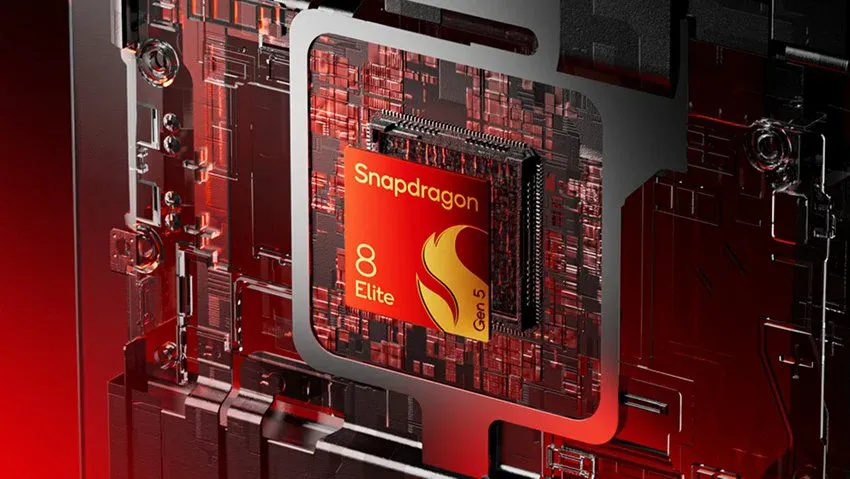
We’ve got our hands on a Snapdragon 8 Elite Gen 5 prototype device ahead of the official launch. While we can’t reveal the exact hardware just yet, the initial performance numbers tell an interesting story about Qualcomm’s latest flagship processor.
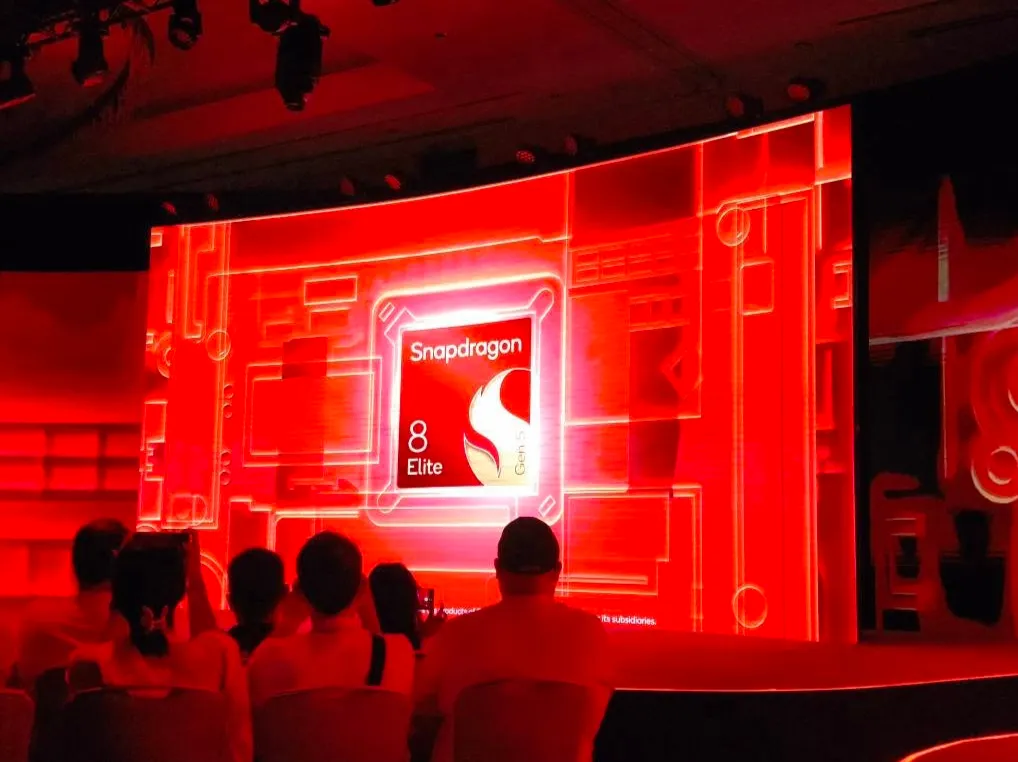
Architecture Deep Dive
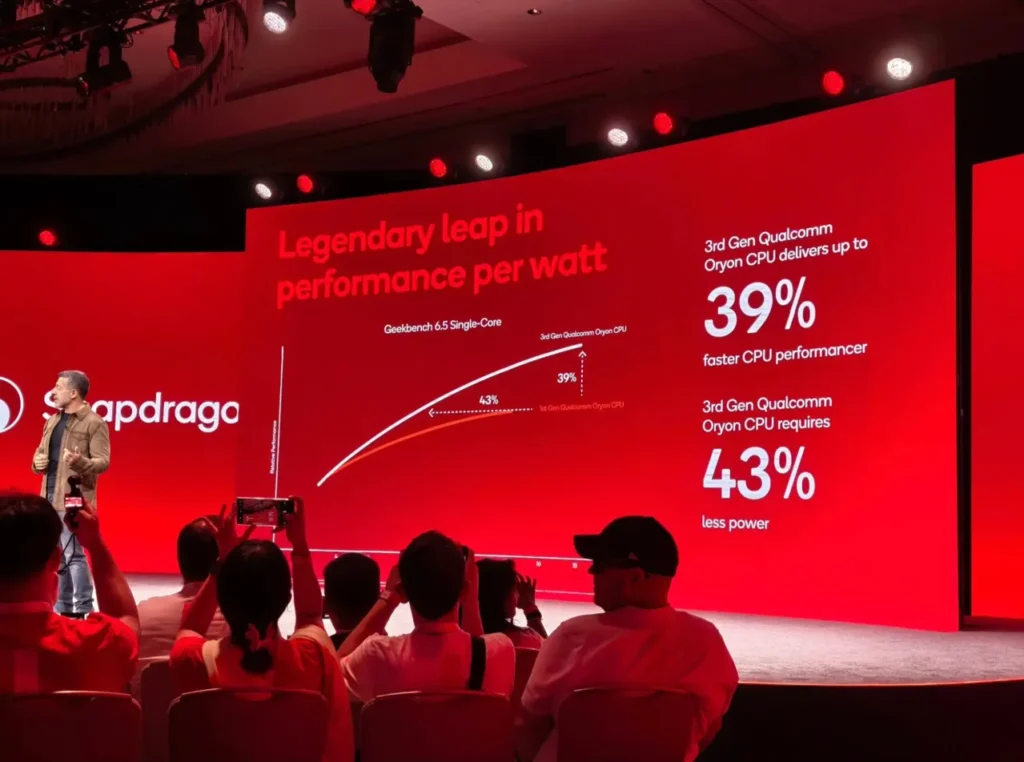
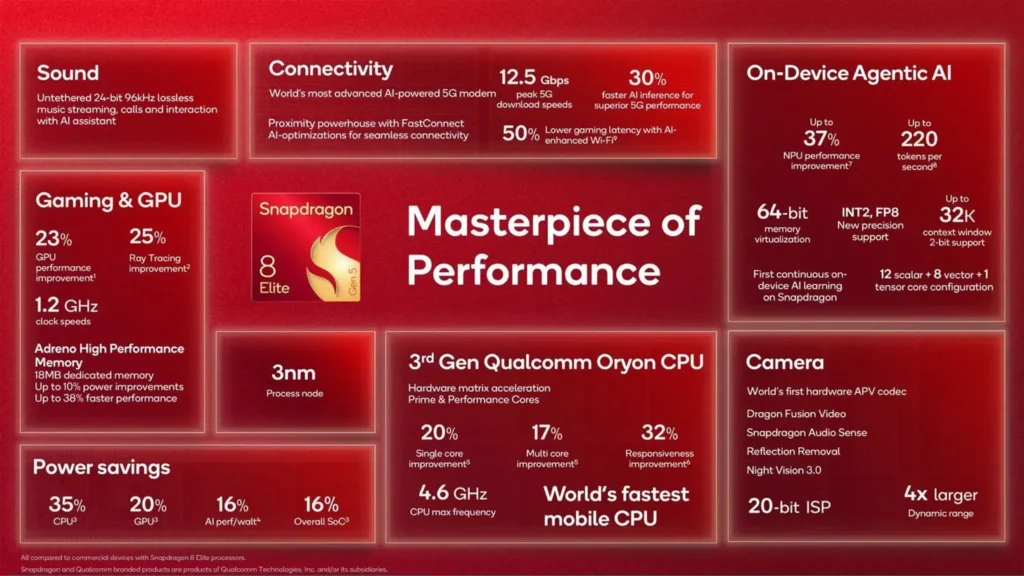
The new chip packs eight cores built around Qualcomm’s third-generation Oryon architecture. Two performance cores handle heavy lifting, paired with six efficiency cores for everyday tasks. Those big cores push clock speeds to an unprecedented 4.61GHz – the highest we’ve seen in smartphone silicon.
Qualcomm claims 20% better CPU performance over the previous generation, with 35% improved power efficiency. The overall chipset efficiency supposedly jumps 16%. We’ll verify these power claims once retail devices arrive for proper battery testing.
Graphics get handled by the latest Adreno GPU, which promises 23% performance gains alongside 20% better power efficiency. The standout feature here is 18MB of dedicated Adreno High Performance Memory that speeds up rendering operations.
Benchmark Performance
Instead of comparing single devices, we averaged results from multiple flagship chips released in 2024 and 2025 to get a clearer picture of where the Gen 5 stands.
AnTuTu 10 Results: The prototype device hit 2,955,505 points – tantalizingly close to the 3 million mark. This represents exactly the 20% improvement Qualcomm promised over the standard 8 Elite, and a 7% jump over MediaTek’s Dimensity 9400. It also edges out Apple’s A19 Pro, though cross-platform AnTuTu comparisons aren’t perfectly fair.
GPU Performance (3DMark Wild Life Extreme): Graphics performance jumped 20% over the previous Elite chip, scoring 7,509 points. The lead over Dimensity 9400 widens to 14% in GPU-focused tests. MediaTek’s newer 9500 chip exists but we haven’t tested it yet.
Ray Tracing Capabilities: The Solar Bay test specifically measures ray tracing performance – increasingly important as mobile games adopt this demanding rendering technique. The Gen 5 scored 13,610 points, delivering the promised 25% improvement over its predecessor.
Compared to MediaTek’s top offering, Qualcomm maintains a 16% advantage. Apple’s A19 Pro includes hardware ray tracing acceleration too, but falls 27% behind Qualcomm’s implementation.
What We Can’t Test Yet
This prototype limits our testing scope significantly. Battery life remains unknown since power consumption depends heavily on each phone’s cooling system, battery capacity, and thermal management. Some manufacturers install larger vapor chambers and batteries than others.
Sustained performance under thermal stress is another question mark. Benchmark sprints tell one story, but maintaining peak performance during extended gaming sessions requires proper thermal design from the phone maker.
Initial Impressions
The Snapdragon 8 Elite Gen 5 delivers on Qualcomm’s performance promises, at least in short benchmark runs. The Adreno GPU continues excelling, while the third-generation Oryon CPU cores hold their own against fierce competition from Apple and MediaTek.
Ray tracing acceleration shows particular promise as mobile games increasingly adopt these visual effects. The 25% performance jump here could matter more than raw computing power for gaming enthusiasts.
Real-world performance will depend on how phone manufacturers implement this chip. Proper cooling, sufficient battery capacity, and smart thermal throttling make the difference between benchmark numbers and daily experience.
We’ll conduct comprehensive testing once retail devices with the Snapdragon 8 Elite Gen 5 arrive. Until then, these prototype results suggest Qualcomm has built a worthy successor to last year’s flagship processor.
Performance Summary
| Benchmark | Score | Improvement |
|---|---|---|
| AnTuTu 10 | 2,955,505 | +20% vs Elite |
| 3DMark Wild Life Extreme | 7,509 | +20% vs Elite |
| 3DMark Solar Bay | 13,610 | +25% vs Elite |
| Max CPU Clock | 4.61GHz | Highest mobile |
The numbers look promising. Real-world validation awaits retail hardware testing in the coming weeks.