
Personal computers (PCs) have revolutionized how we work, interact and pass the time. This is true in the ever-evolving world of technology. PCs have seen a remarkable transition, starting as bulky, room-filling machines and evolving into the svelte, potent gadgets we have today. The intriguing history of the personal computer is explored in this article, from its first innovations to its indispensable status in modern society.
Personal Computing’s Earliest Days
In the 1970s, when pioneers like the Altair 8800 and Apple II first appeared, personal computing as we know it today began. These early PCs inspired a wave of enthusiasm among amateurs and enthusiasts, despite their limited usefulness and processing capacity compared to modern standards. These pioneers laid the groundwork for what would come by creating new avenues for individualized computing.
The Rise of The IBM PC
In 1981, IBM debuted the IBM Personal Computer, more generally called the IBM PC, which marked a significant turning point for personal computing. Software developers now find it simpler to design applications thanks to this machine’s standardization of hardware and software interfaces. The IBM PC’s ability to work with a constantly growing library of software made it the industry standard, resulting in widespread adoption and accelerating the PC market’s expansion.
The Power of Performance
The need for more powerful hardware and the demand for personal computers grew. Processors that are quicker and more efficient were made possible by improvements in semiconductor technology and transistor shrinkage. The competition between chip manufacturers fuelled a relentless quest for improved performance, enabling PCs to handle ever-more-complex tasks, from Intel’s renowned x86 architecture to AMD’s ground-breaking inventions.
A Window to The Digital World
With graphical user interfaces (GUIs) emerging, PCs have become even more user-friendly and intuitive. Beginning with Windows 3.0 in 1990, Microsoft’s Windows operating system ushered in a graphical revolution that opened the door for more people to use PCs. With the help of GUIs, users could easily navigate between apps and documents because the digital world was represented visually.
The fusion of PCs and the Internet ushered in a new era of connectedness and knowledge sharing. PCs became portals to the enormous digital world as dial-up connections gave way to high-speed broadband. Online services and platforms increased due to the Internet’s revolution in communication, industry transformation and disruption. PCs are now necessary tools to access information, communicate with people and participate in online activities.
Mobile Computing and Beyond
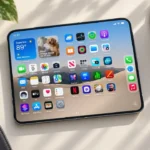
Some projected that PCs would become obsolete with the introduction of smartphones and tablets. But as the world becomes more mobile, PCs have adjusted and developed to stay relevant. With the mobility of mobile computing and the strength and adaptability of conventional PCs, laptops, 2-in-1 convertibles and small desktops are available. Furthermore, gaming PCs have become a powerful force, meeting the needs of ardent gamers with state-of-the-art processors and graphics capabilities.
PCs have gone from their early, primary forms to what they are today—powerful, adaptable machines. Constant innovation throughout the history of PCs has pushed the envelope of what was previously thought possible. We may anticipate additional PC evolution as technology develops, allowing them to become an integral part of our daily lives and influence how we work, create and interact with the world.
PCs and Their Role in Modern Innovation
The development of PCs continues to advance at a rapid rate in the future. Even more, potential could be unlocked by cutting-edge technologies like quantum computing, augmented reality and further developments in artificial intelligence. One thing is sure as we move forward in this new era: the story of PCs will continue to significantly impact how our world is shaped, stretching the boundaries of what is conceivable and enabling us to reach new levels of learning and achievement.
The fantastic progression of personal computers (PCs) from their earliest breakthroughs to the cutting-edge powerhouses we have today is proof of both the relentless pursuit of human brilliance and the exponential rise of technology.
FAQs
The 1981 IBM PC revolutionized personal computing. It standardized hardware and software interfaces, facilitating software development and allowing the system to work with a growing software library. Its widespread usage encouraged PC market growth.
Semiconductor advancements and transistor shrinkage have made CPUs faster and more efficient. PCs can execute more sophisticated tasks thanks to Intel and AMD’s constant pursuit of performance.
GUIs simplified PCs. Microsoft’s 1990 Windows 3.0 graphical revolution made PCs more accessible. GUIs let users browse apps and documents visually.
Smartphones and tablets forced PCs to adapt. Laptops, 2-in-1 convertibles and tiny desktops integrated mobile computing with classic PC power and versatility. Gamers’ high-performance needs were met by gaming PCs with powerful processors and graphics.
Technology advances PCs. Quantum computing, augmented reality and AI developments could boost PC potential. These machines will continue to shape our world, challenge limits and enable fresh learning and achievement.
PCs have transformed our lives, work and communication. They’re essential to our work, creativity and amusement. PCs allow us to design sophisticated architectural structures, analyze massive amounts of data and immerse ourselves in virtual worlds, boosting creativity.
Conclusion
From the modest beginnings of room-sized mainframes and the pioneering efforts of visionaries like Alan Turing and John von Neumann, the development of PCs has been characterized by constant shrinking, boosted processing capacity and enhanced capabilities. How we live, work and communicate has changed dramatically as PCs have become smaller, quicker and easier to use with each passing decade.
Today’s PCs are solid and adaptable devices that can easily handle challenging tasks. They have integrated themselves into our daily lives as tools for work, creativity and enjoyment. PCs have evolved into crucial allies in our quest for discovery and invention, whether for creating complex architectural structures, analyzing enormous quantities of data, or submerging ourselves in virtual worlds.