MobileMall BlogMobileMall BlogMobileMall Blog
  • #Explore
  • Business
  • Technology
    • Gaming
    • Headphones
    • Laptops
    • Mobile Accessories
    • Home Networking
    • PCs
    • Printers
    • Smart Watches
    • Speakers
    • Tablets
    • Wearables
    • Smart Office
  • Security
  • Buying Guides
  • Contribute
Reading: The Evolution of Mobile CPUs 
Share
Font ResizerAa
MobileMall BlogMobileMall Blog
Font ResizerAa
  • #Explore
  • Business
  • Technology
  • Security
  • Buying Guides
  • Contribute
  • #Explore
  • Business
  • Technology
    • Gaming
    • Headphones
    • Laptops
    • Mobile Accessories
    • Home Networking
    • PCs
    • Printers
    • Smart Watches
    • Speakers
    • Tablets
    • Wearables
    • Smart Office
  • Security
  • Buying Guides
  • Contribute
2025 © Mobilemall. All Rights Reserved.
Home » Blog » The Evolution of Mobile CPUs 
Technology

The Evolution of Mobile CPUs 

Liron Segev (Tech Geek)
Last updated: November 11, 2025 9:48 am
Liron Segev (Tech Geek)
Share
The-Evolution-of-Mobile-CPUs
SHARE

Contents

  1. Early Mobile Processors
  2. The Rise of ARM Architecture
  3. The Single-Core Era
  4. The Shift to Multi-Core Processors
  5. The Importance of GPUs
  6. FinFET Technology and Smaller Process Nodes
  7. AI and Machine Learning Integration
  8. 5G Connectivity
  9. Custom Cores and Tailored Designs
Add MobileMall Blog as a preferred source on Google

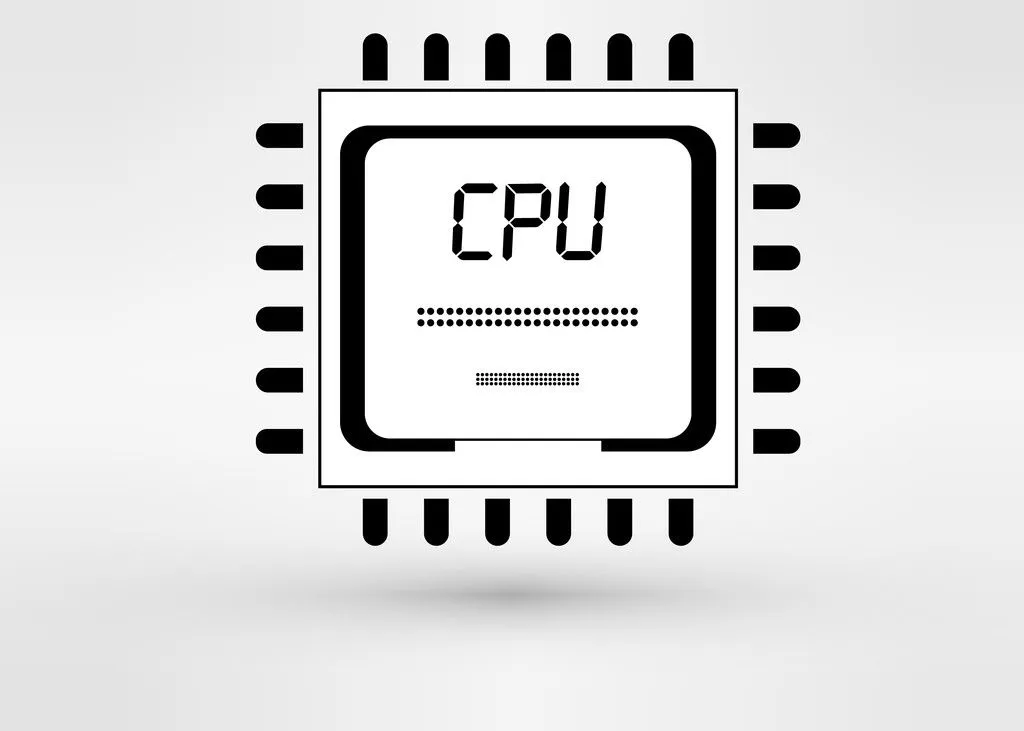
The evolution of mobile CPUs has been a pivotal force in shaping modern mobile technology. From the early days of simple mobile processors to today’s powerful chipsets, these advancements have driven performance improvements and enabled the sophisticated devices we rely on. Here’s a look at the key phases in the development of mobile processors.

Early Mobile Processors

In the late 1990s and early 2000s, phones began to include basic processors. These early chips were responsible for handling fundamental tasks like making calls, sending text messages, and running simple games. 

The Rise of ARM Architecture

ARM architecture, known for its balance between performance and energy efficiency, quickly became the go-to standard for phone CPUs. During the mid-2000s, major tech companies like Qualcomm, Samsung, and Texas Instruments started developing ARM-based processors specifically for phone devices. They set the foundation for mobile gaming, casino slot online platforms, and work applications. 

The Single-Core Era

Smartphones initially featured single-core processors that could handle basic apps and tasks but had limited multitasking abilities. Qualcomm’s Snapdragon, Apple’s early A-series chips, and MediaTek processors were the driving forces in this period. While these processors were a significant step up from earlier designs, they would soon be outpaced as phone technology advanced.

The Shift to Multi-Core Processors

As users began demanding more from their smartphones, the limitations of single-core chips became evident. Around 2011, dual-core processors entered the market, followed closely by quad-core processors in 2012. 

The Importance of GPUs

Mobile processors also saw a major leap in graphics capabilities with the integration of more advanced GPUs (Graphics Processing Units). These components became essential for running graphically intense apps, from mobile games to augmented reality (AR) and virtual reality (VR). 

As smartphones started to double as entertainment devices, GPUs became crucial for enhancing visual performance and delivering a smooth, immersive experience.

FinFET Technology and Smaller Process Nodes

As devices became more complex, improving power efficiency without sacrificing performance became critical. To achieve this, phone CPUs began using FinFET (Fin Field Effect Transistor) technology and shrinking process nodes. 

With the introduction of smaller process nodes like 14nm, 10nm, and 7nm, manufacturers could fit more transistors into a smaller area, boosting performance while reducing energy consumption. This combination of innovations helped mobile processors achieve faster speeds and better battery life.

AI and Machine Learning Integration

A significant turning point for phone CPUs was the integration of artificial intelligence (AI) and machine learning capabilities. Introduced in the late 2010s, these features enabled devices to perform tasks like facial recognition, natural language processing, and more intelligent photography. 

5G Connectivity

Another recent advancement in mobile processors has been the integration of 5G technology. Built-in 5G modems allow mobile devices to access faster, more reliable cellular networks. 

By integrating these modems directly into the CPU, manufacturers reduced power consumption and improved network performance, allowing for smoother streaming, faster downloads, and better overall connectivity.

Custom Cores and Tailored Designs

Some manufacturers, like Apple, have taken phone CPUs to new heights by developing custom CPU cores rather than relying entirely on ARM’s architecture. Apple’s custom-designed Silicon chips, for example, allow the company to optimize performance, energy efficiency, and security features for their specific devices. 

How Near-Shore Staffing Can Maximize Your Tech Development Budget
Best Rugged Phone with Built-in Projector in 2026
The Role of Technology in Improving NBA Shooting Accuracy
Virtual Training and Holographic Coaches: How Technology Is Redefining Modern Sports
Xiaomi Testing HyperOS 3 on Android 15

Sign Up For Daily Newsletter

Be keep up! Get the latest breaking news delivered straight to your inbox.
[mc4wp_form]
By signing up, you agree to our Terms of Use and acknowledge the data practices in our Privacy Policy. You may unsubscribe at any time.
Share This Article
Facebook Copy Link Print
Share
ByLiron Segev (Tech Geek)
Follow:
Liron Segev, also known as TheTechieGuy, is a tech expert who believes that technology should be simple and accessible to everyone. With a knack for breaking down complex topics into easy-to-understand terms, Liron has become a trusted source of information for tech enthusiasts and novices alike. Allowing readers to learn about topics like security issues (such as hacking, passwords, and scams), connectivity (including wifi, routers, mesh networks), and helpful tips and tricks for optimizing technology and achieving faster internet speeds.
Previous Article How-to-Maximize-Your-Online-Casino-Bonuses_-Tips-and-Strategies How to Maximize Your Online Casino Bonuses: Tips and Strategies
Next Article Motorola is already rolling out the Android 15 (1) Motorola begins distributing Android 15 beta to eligible smartphones.

Latest News

Qualcomm and Apple
Apple Will Keep Paying Qualcomm Even After It Stops Buying Its Chips
Apple Tech News
TenPayGo
New App Lets Tourists Pay In China With Their Own Bank Card
Apps
Phone Repair tools
How to Choose the Right DIY Fix Tools for Phone Repairs
Tips & Tricks
Xiaomi 18 Pro global launched
Xiaomi 18 Pro And Pro Max Are Going Worldwide This Year
Phone Launch
Find X10 Pro Series
Oppo Wants £49 Now for a Phone With No UK Price Yet
Deals Phone Launch
Snapdragon 8 Elite Extreme Gen 6
Which Phones Get Qualcomm’s New Snapdragon 8 Elite Gen 6 Chips
Hardware Smartphone
Every Galaxy S27 Will Start With 12GB Of RAM
Phone Leak Samsung
Xiaomi 18 Pro Max
Xiaomi 18 Pro Cameras Revealed A Day Before Launch
Camera & Photo Phone Launch

You Might also Like

T Mobile
MobileTechnology

T-Mobile Postpaid Plans: Latest Plans Of 2026

Mobilemall Staff
Mobilemall Staff
6 Min Read
Snapdragon 4 Gen 2
Technology

Snapdragon 4 Gen 2 Unveiled By Qualcomm

Mobilemall Staff
Mobilemall Staff
2 Min Read
honor-600-series
NewsSmartphone

Honor 600 and 600 Pro Official Listings Reveal Full Specs Before Launch

Mobilemall Staff
Mobilemall Staff
2 Min Read

About us

Mobilemall.co blog is an informative and engaging platform that offers readers the latest news and insights on mobile phones and accessories. The blog covers a wide range of topics, including product reviews, industry trends, and tips on how to get the most out of your mobile device.

Contact Us:
[email protected]

Categories Link

  • Business
  • Mobile
  • Technology
  • Gaming
  • Phone Review
  • Android

Must Read

Google Quietly Swapped Gemini's Image Model and Nobody Got an Email
When Google Moved Nano Banana Pro Behind A Button In February, Google Replaced the Gemini Image Model
Artificial Intelligence
Petrol 100 Rs Subsidy - Guide To Send Message To 9771
Petrol 100 Rs Subsidy – Guide To Send Message To 9771
Tips & Tricks

Quick Links

  • Privacy Policy
  • Tech Write For Us
  • Contact Us
  • Facebook
  • Instagram
  • YouTube
  • LinkedIn
2026 © Mobilemall. All Rights Reserved.
Go to mobile version
Welcome Back!

Sign in to your account

Username or Email Address
Password

Lost your password?

Not a member? Sign Up