
Sony dropped the Xperia 10 VI back in June last year, and folks have been waiting on the next one for a while now. Good thing leaks are starting to pop up, showing off a phone that’s shaking things up with a fresh look. This latest info comes from an early listing out of Hong Kong that spilled the beans on specs and tossed in some new renders. If you’re into compact phones that don’t skimp on basics, this could be worth watching. I’ll break it down here with what we know so far, plus some thoughts on how it stacks up and why it might fix some gripes from the last model.
What’s New in the Design?
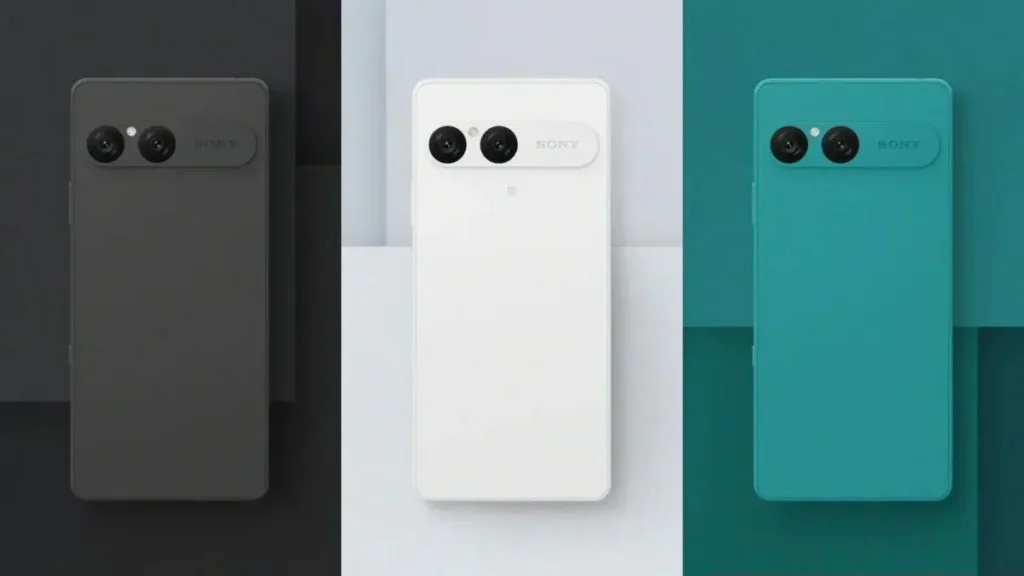
The big talk is the redesign—Sony’s mixing it up after sticking to the same style for six generations straight. Renders show a shift to a horizontal camera setup on the back, crammed into a pill-shaped module that stretches almost across the top. It’s a throwback to older Sony phones, but it looks cleaner and less bulky than the vertical stack on the Xperia 10 VI. The frame’s metal, keeping that premium feel without going overboard, and the whole thing stays slim at 8.3mm thick. Weight’s at 169g, so it won’t drag your pocket down. Colors? You’ve got Charcoal Black for the stealth look, Cedar White if you want something crisp, and Turquoise for a pop of fun. No wild patterns or anything—just solid options that should age well. Compared to the last one, this feels more modern without losing that tall, narrow vibe Sony loves for easy one-hand use.

Screen and Build Details
It’s back to nearly the status quo on the screen, with a 6.1-inch OLED panel at a resolution of 1080×2340. That’s the same size (and sharpness) as the Xperia 10 IV screen, whose visuals are plenty sharp for scrolling and catching a flick or two without taking up massive space. Rumors had previously circled about a move up to a 120Hz refresh rate, for smoother swiping, but this leak keeps it simple — no news on that front as yet. If the Flex 2 does wind up with 120Hz, which it probably will given how expanded and cheap those 120Hz AMOLED screens will become in the next 24 months, it would be a cool upgrade from the 60Hz on the previous Flex, where games and feeds felt just a bit less snappy. This time around, the 21:9 aspect ratio is back — which is great for movies, and maybe a bit tall for some apps. There appears to be some decent build quality too, while you’re looking at measurements of 153 x 72 x 8.3mm it’s not going to be the chunkiest brick in your jeans pocket. It’s not the smallest phone available, but as a counterpoint to giant slabs, it’s sharp reality to anyone who has tired of stretching fingers across ginormous screens.
Performance and Storage
Inside, the Xperia 10 VII is powered by a Snapdragon 6 Gen 3 chip from Qualcomm. That’s a notch up from the Dimensity 700 in the VI and should deliver better speed for basic things like web browsing, apps and light multitasking. Go Misplace with 8GB of RAM, it should be able to handle jumping between tabs, or running a few games, without stuttering — way better than the 6GB in the older model if you’re a heavy user. Storage is 128GB to begin with, but you can expand it with a microSD card — a plus for hoarding photos or offline music. No mention of higher tiers as of yet, but this configuration allows for room to grow while remaining affordable. If you’re upgrading from an older Xperia, you’ll notice speedier load times and less lag during demanding tasks, though it’s still mid-range — don’t expect it to tear through high-end graphics like a flagship device would. Camera and what to expect
Camera Setup and What to Expect
Cameras are straightforward but improved. The main rear shooter is 50MP, which should grab detailed shots in good light, and there’s a 13MP secondary lens—probably an ultrawide for wide landscapes or group pics. That’s a bump from the 8MP ultrawide on the VI, so expect sharper edges and less distortion. Front camera’s 8MP, fine for selfies or video calls without fancy tricks. The new horizontal layout might make it easier to grip without covering lenses, and renders show it blending in nicely. Sony’s known for natural colors over hyped-up edits, so if that’s your jam, this could deliver. Missing a telephoto? Yeah, but at this price point, it’s not a shock—focus here is on reliable basics rather than zoom wars.
Battery Life, Software, and Extras
Battery’s a solid 5,000mAh, same as before, but with the efficient chip, it might stretch further on a charge. Think all-day use for calls, texts, and streaming, maybe even into the next morning if you’re light on it. Charging speed isn’t leaked, but Sony usually sticks to 30W wired—nothing groundbreaking, but it gets the job done without frying the battery long-term. Software side, it’ll launch with Android 15, which is current but a bit of a letdown since competitors are already teasing 16 previews. Good news? Leaks hint at four years of OS updates, matching the flagship Xperia 1 VII and beating the three years on the VI. That means security patches and new features longer, keeping it fresh. Other bits: It’s got the usual Sony perks like a headphone jack (rare these days) and IP rating for water resistance, though exact details aren’t out yet.
Why This Leak Matters and What’s Next
This premature listing amps up the hype—Sony’s mid-rangers like the Xperia 10 series fill a gap for folks wanting compact, no-nonsense phones without flagship prices. The redesign fixes the stale look, and specs tweaks make it more competitive against stuff like the Google Pixel 8a or Samsung A-series. Pros: Slim build, expandable storage, potential long support. Cons: No confirmed fast refresh, camera might not wow zoom fans, and Android 15 feels behind if launch drags. Price guess? Around $400-500, based on the last one. When’s it dropping? With leaks like this hitting, probably soon—maybe at IFA or a quiet online reveal. If Sony nails the basics here, it could pull in users ditching big phones. Keep an eye out; more details should trickle in. If you’ve got questions on how it compares to your current setup, hit me up.