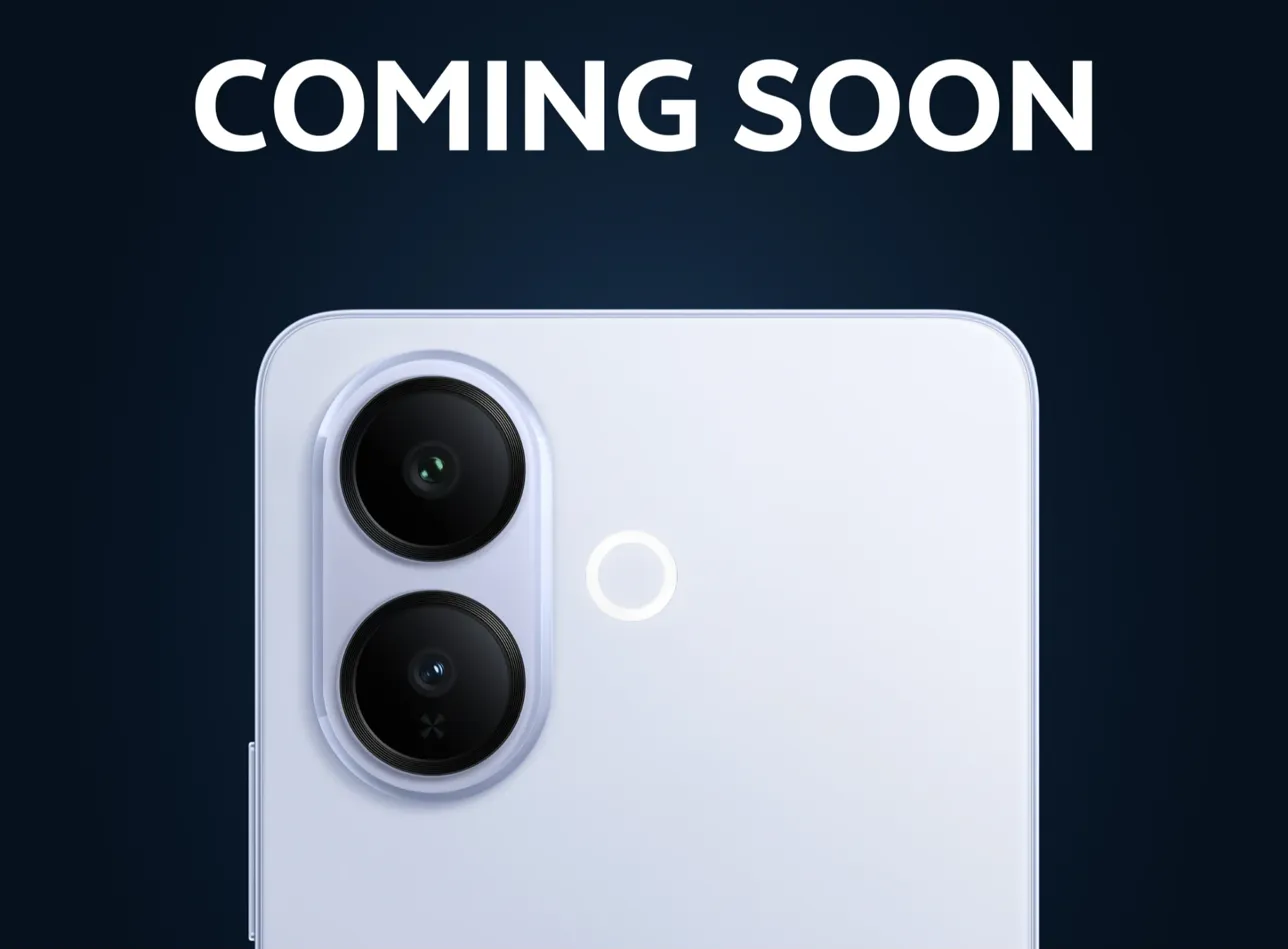

Xiaomi is dropping the 17 Ultra on December 25 in China, and we’re finally getting a proper look at what this phone can actually do with a camera in hand.
The company has been teasing bits and pieces over the past few weeks, but these new sample shots from the main sensor give us something concrete to work with. And honestly? They look pretty impressive.

What’s Under That Camera Bump
The 17 Ultra uses OmniVision’s new OV50X sensor as its main shooter. It’s a 1-inch type, 50MP sensor with an f/1.67 aperture, all running through Leica optics. But the real story here is the LOFIC technology baked into this sensor.
LOFIC stands for Lateral Overflow Integration Capacitor. In plain terms, it’s a system that catches excess light that would normally overwhelm the sensor and stores it in a tiny capacitor within each pixel. The result? <parameter name=”content”>OmniVision claims this pushes single-exposure HDR close to 110 dB, which they say is the highest dynamic range possible in smartphones right now.
What this does to real life photos: you are supposed to have more detail in the shadows and the highlights without the common blown-out skies or dark muddy spots. The sensor is virtually able to view a wider area of a scene in a single exposure instead of having to stitch several exposures.
The Telephoto Situation
Xiaomi made an interesting call here. The 15 Ultra had two telephoto cameras, a 50MP at 3x and a 200MP at about 4.3x. The 17 Ultra drops down to a single telephoto, but it’s not really a downgrade.

The new periscope module packs a 200MP Samsung ISOCELL S5KHPE sensor and does something most phone cameras don’t: continuous optical zoom between 3x and 4.3x. That covers focal lengths from 70mm to 100mm without switching lenses or relying on digital crop.

This Sony has been doing with its Xperia brand (the Xperia 1 VII 3.5x to 7.1x), but it is uncommon in the Android flagship category. Xiaomi also reports that this new periscope module is approximately 35 percent bigger than that which the 15 Ultra employed, and it has Leica APO certification of minimal color fringing at increased zoom distances.
What the Sample Shots Show
The sampled videos shot by Xiaomi were done using the 23mm prime camera. A single shot was taken at ISO 64 and 1/50s and with a f/1.67. The colors are natural without that unnatural HDR appearance that some phones attempt to impose and the details are well retained whether it is in the bright or dark regions.


Xiaomi is calling this the “next-generation night photography champion,” which is marketing speak, sure. But if the LOFIC tech delivers on its promises, low-light shots should hold up better than previous Ultra models, with less noise and more accurate shadow detail.
Price and Availability
The phone launches December 25 in China. Xiaomi President Luke Weibing has already said that the 17 Ultra will be more expensive than its predecessor. It is involved in increasing prices on memory, but it is also increasing the prices of upgraded camera parts (particularly the larger periscope module).
Expect a starting price around 6,999 Yuan, roughly $999. Global availability should follow sometime after the China launch.